Latgale, Latvia

Varakļāni Local History Museum

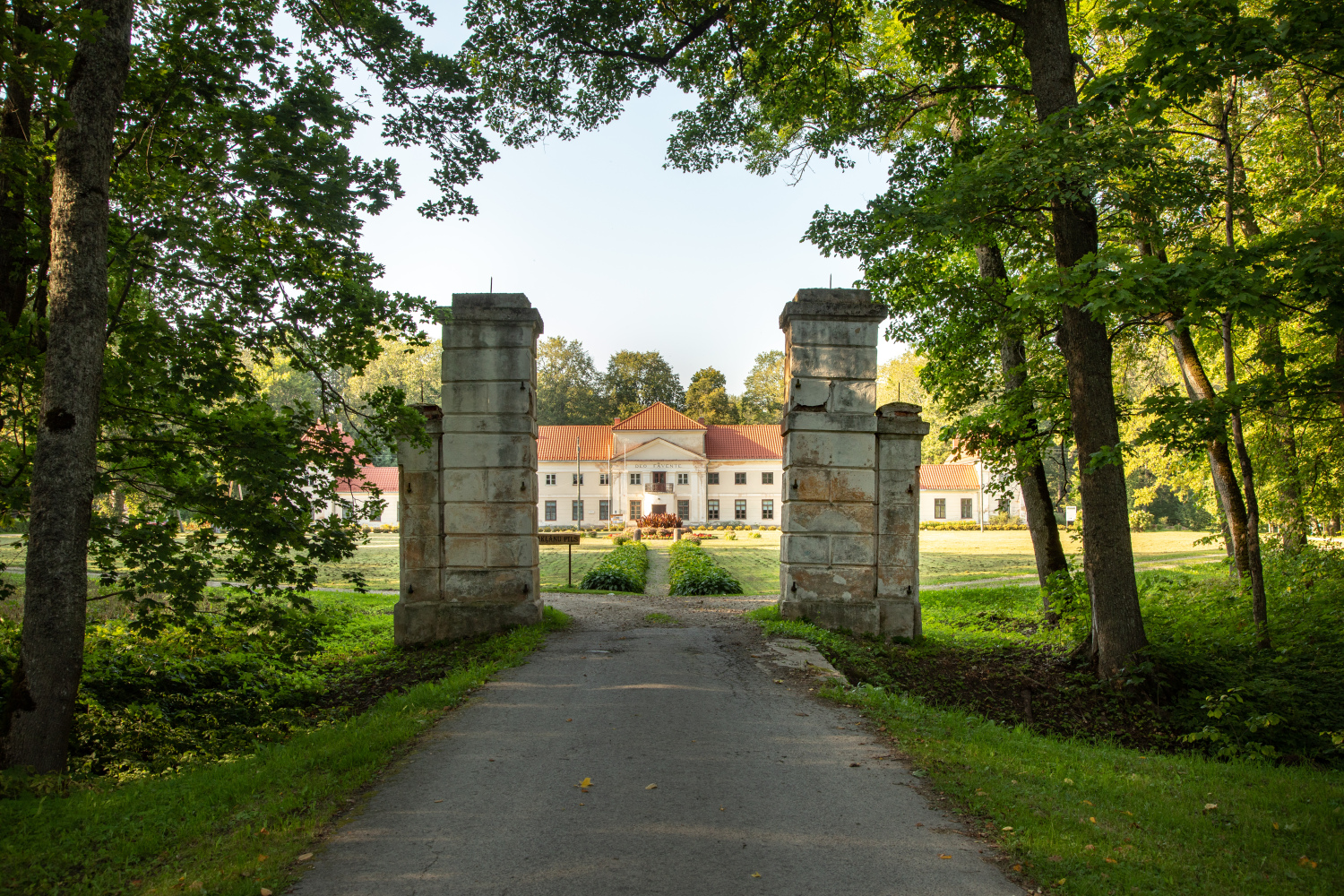
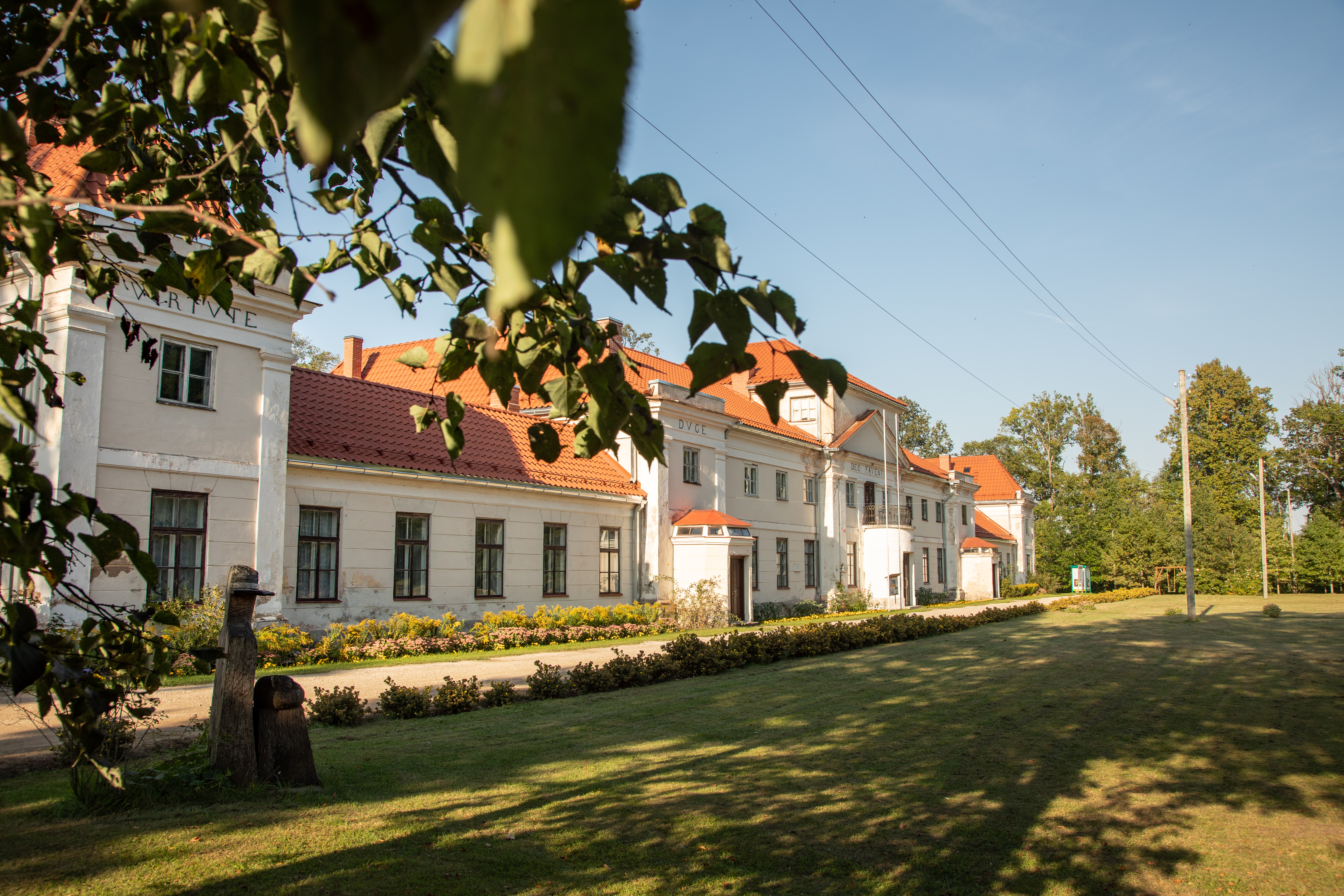
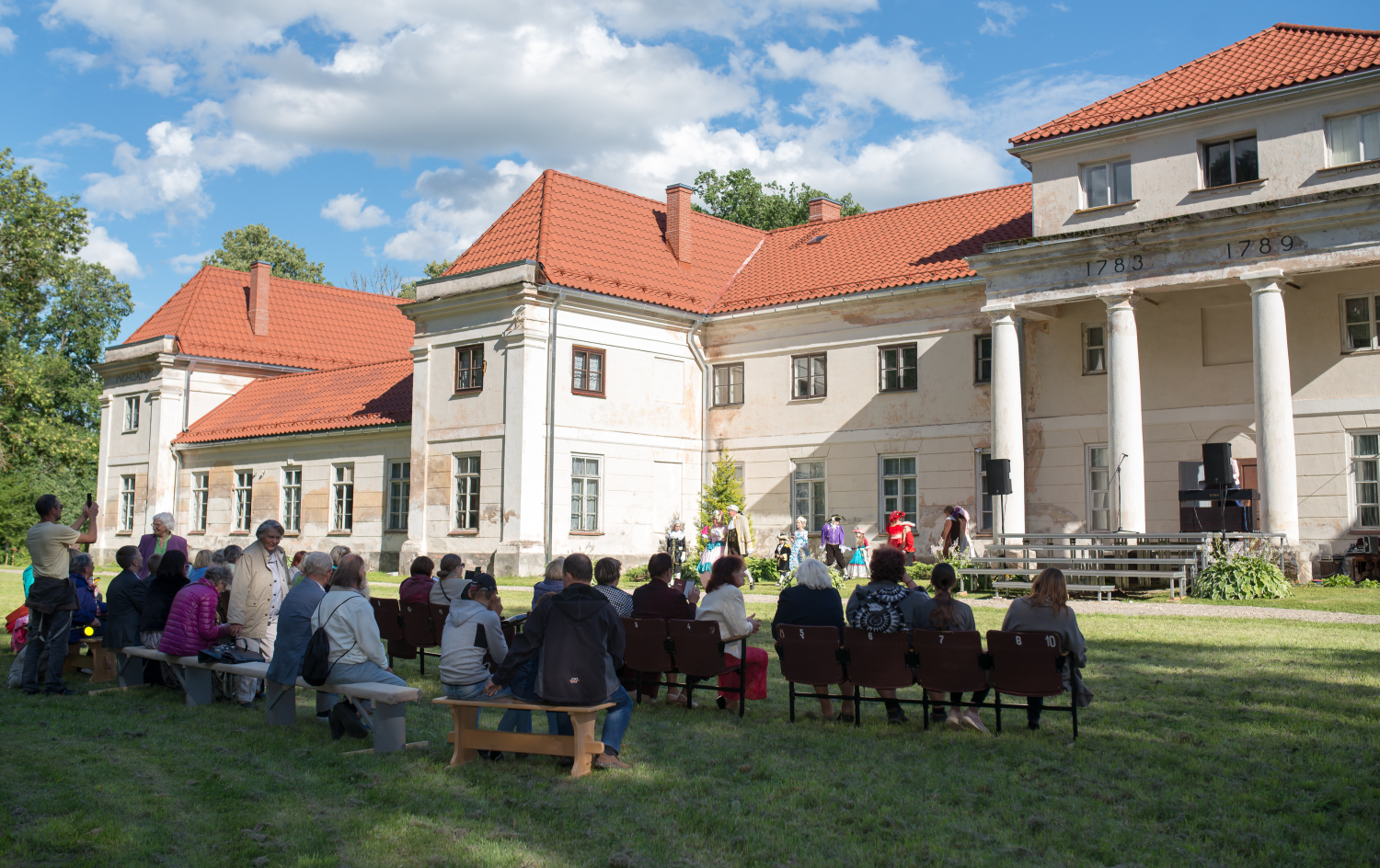
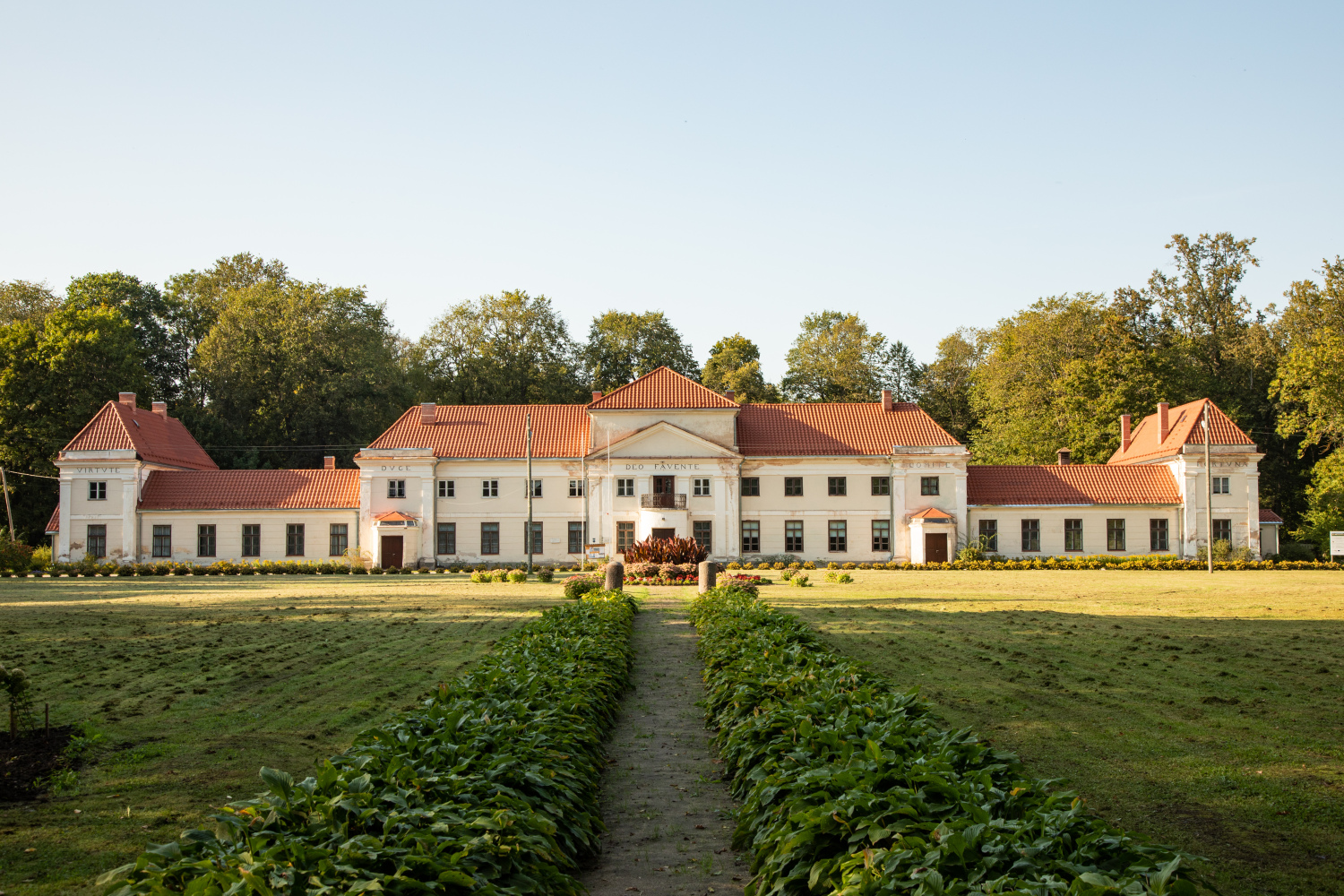
Discover centuries of history in one of Latvia's finest Classical palaces, built in 1783 for Count Michał Jan Borch.

Scroll
Varakļāni Palace exterior

A Masterpiece of Classicism in the Heart of Latgale

The Varakļāni Local History Museum has been located in the historic palace of Count Michał Jan Borch since 1997. Officially established in 2001, the museum promotes the rich cultural heritage of Varakļāni District.

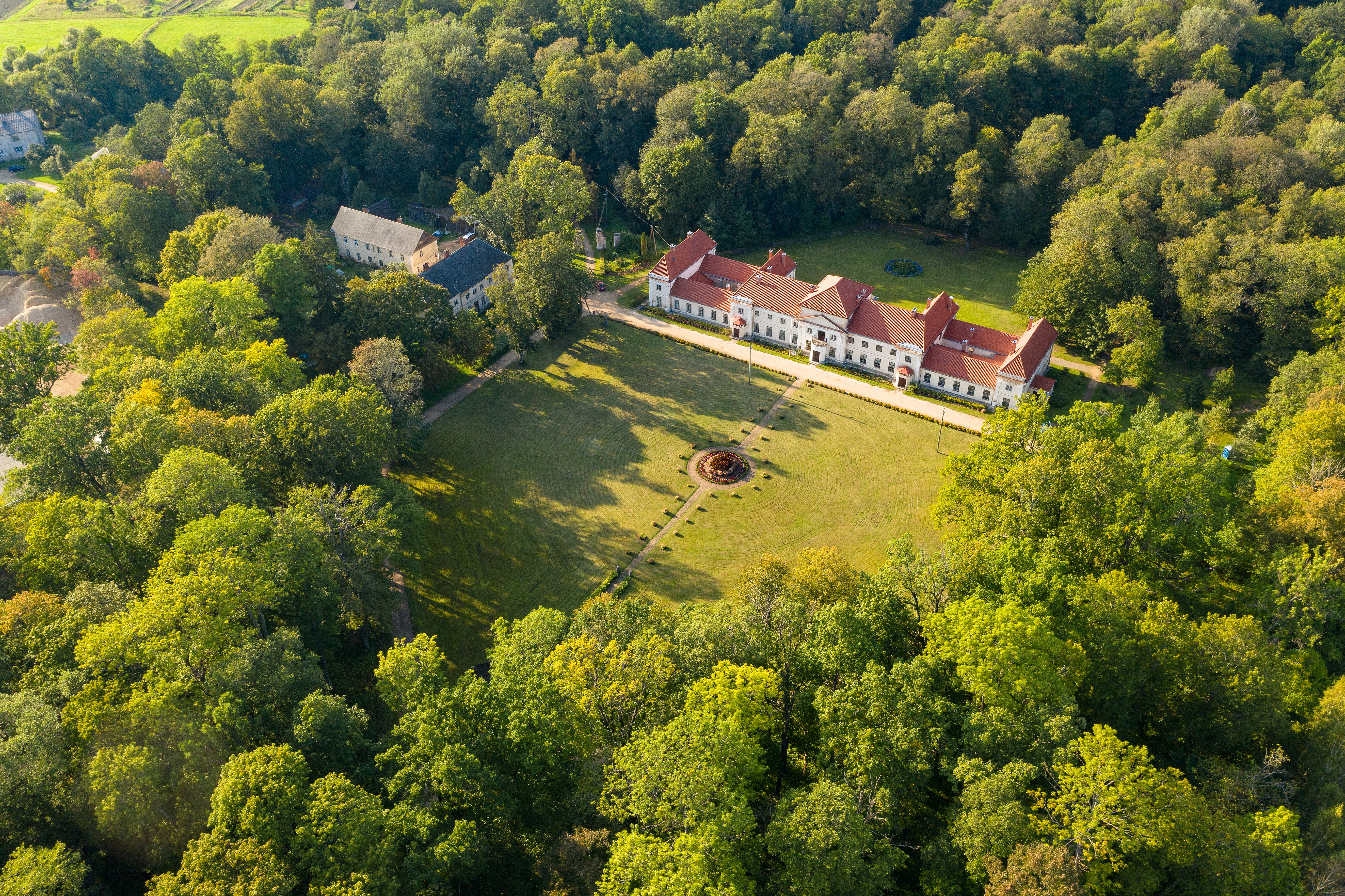
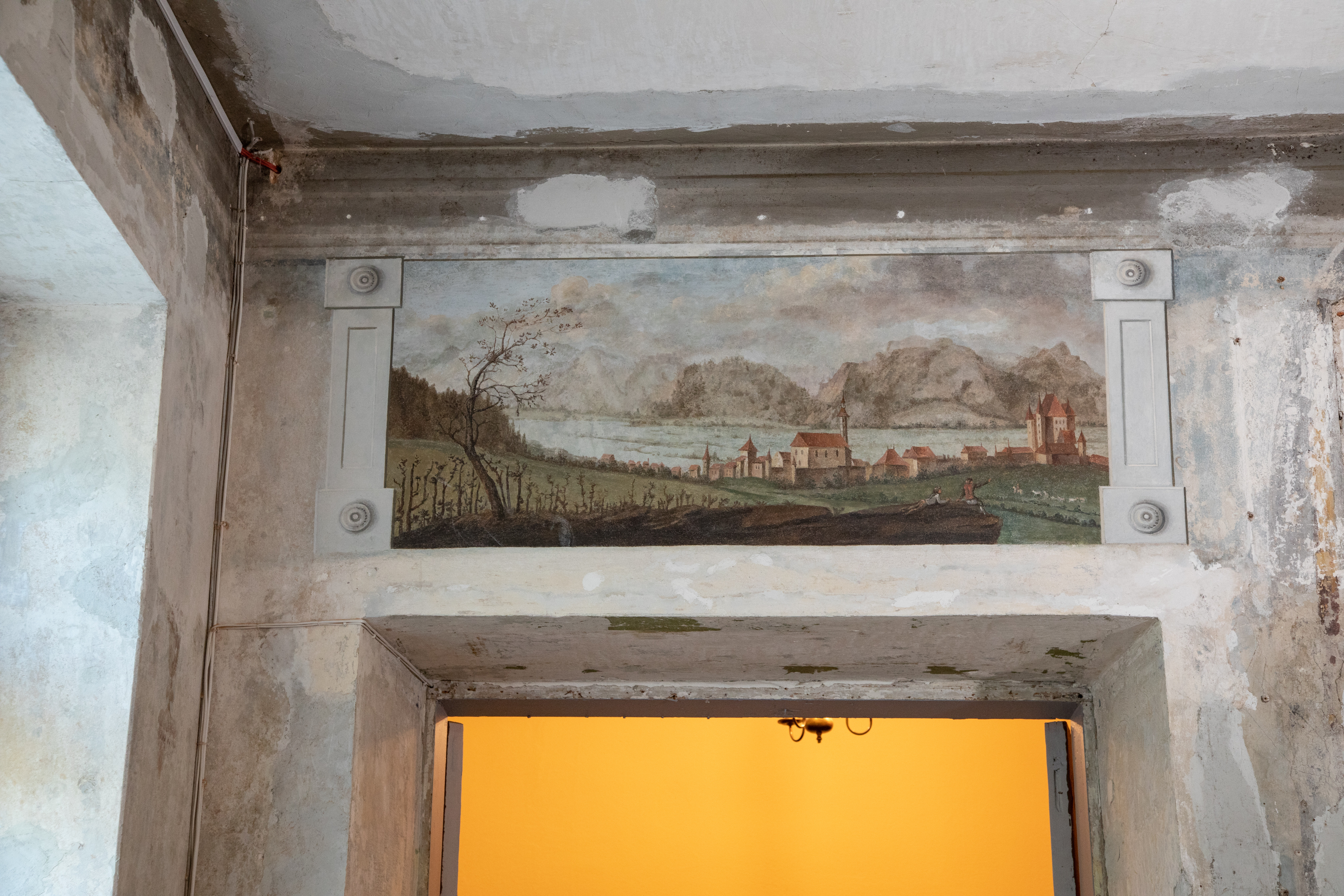
The palace itself is an outstanding example of early Classicism in Latvian architecture, designed by Italian architect Vincenzo Macotti and built between 1783 and 1789. Valued murals and painted ceilings from the 18th and 19th centuries have been discovered and preserved on the premises.

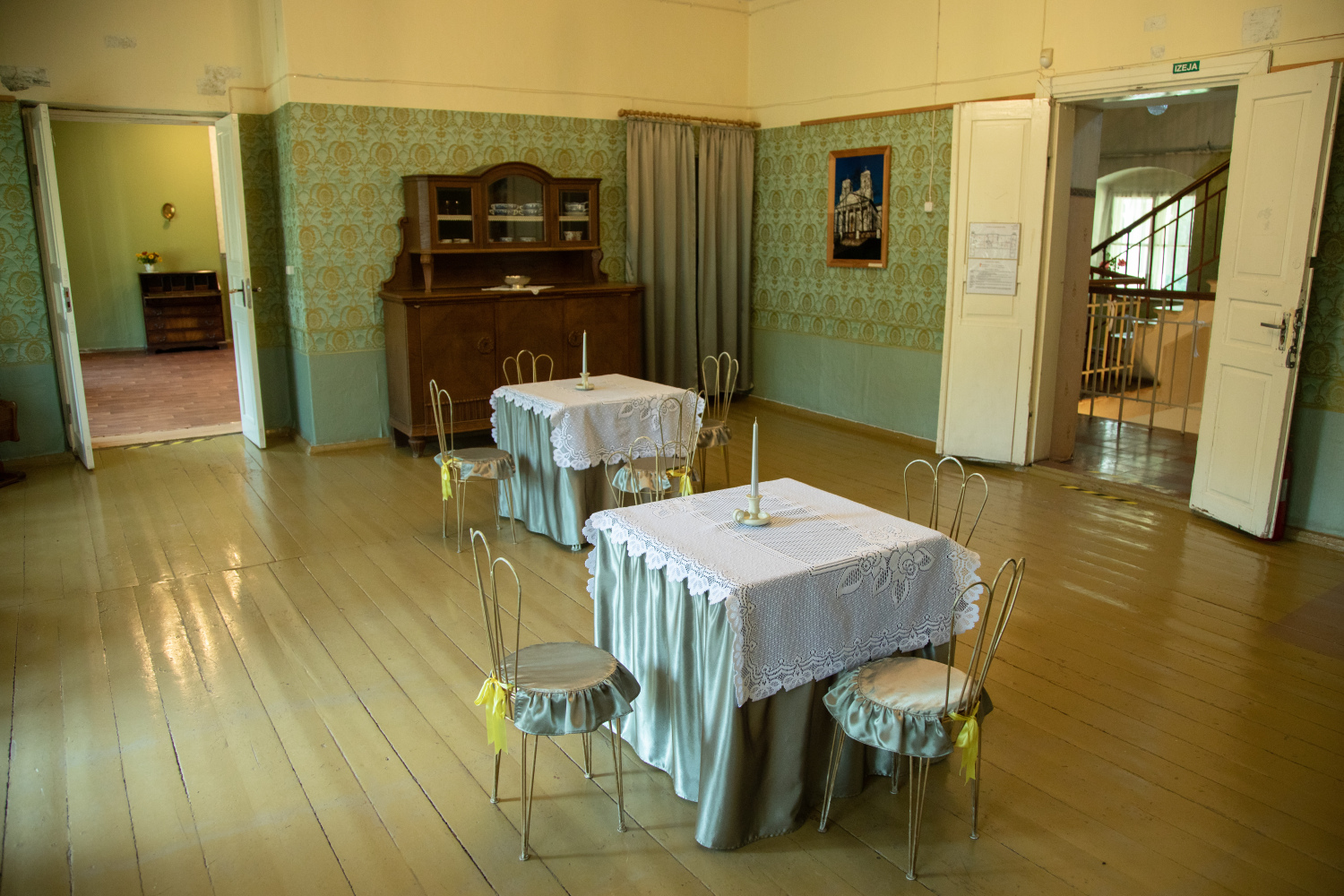
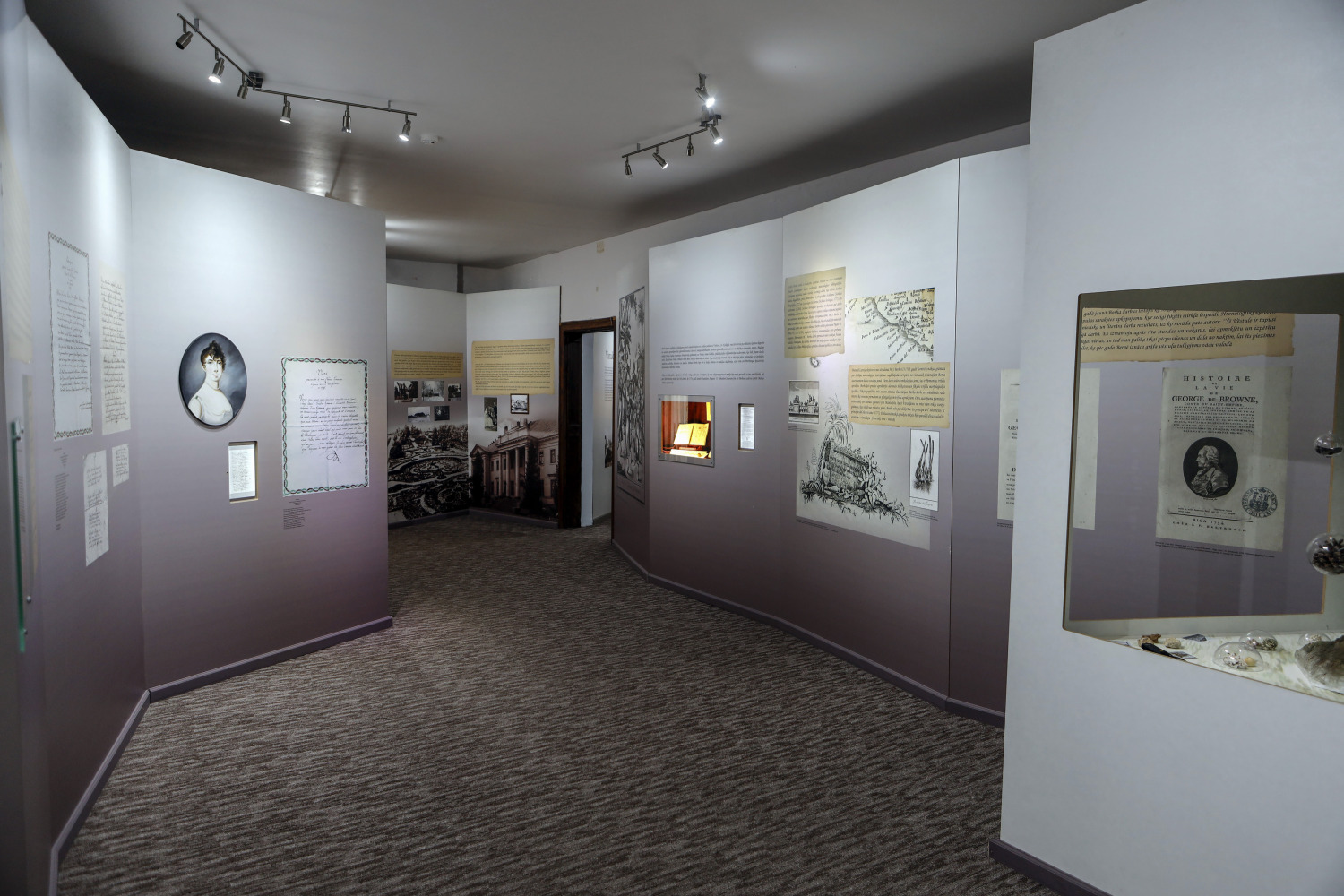
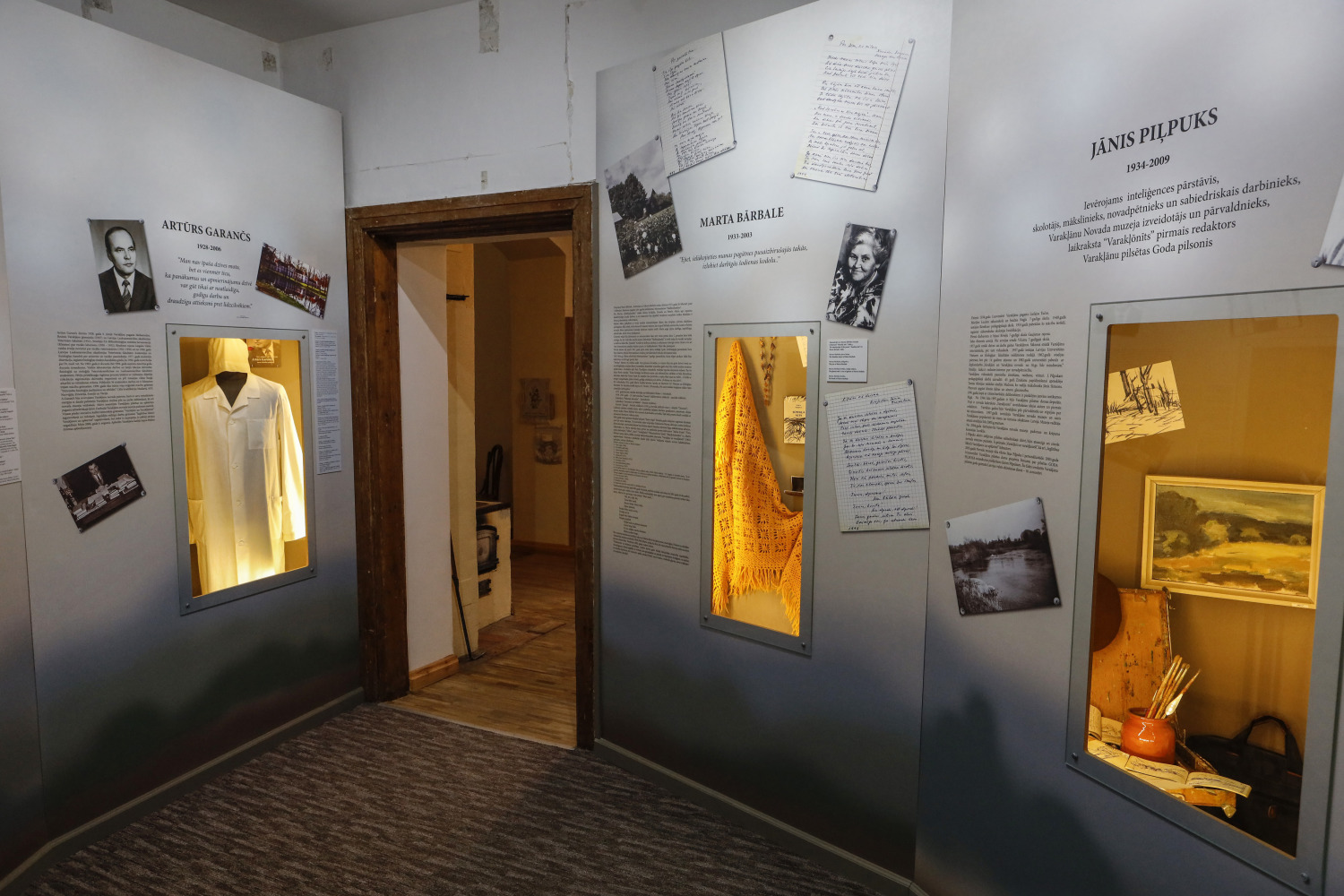
Today, visitors can explore palace interiors, the historic chapel, and permanent exhibitions on the life and scientific achievements of Count Borch, as well as the fascinating history of Varakļāni and its surroundings.

1783
Palace Founded
240+
Years of History
1997
Museum Opened
A Journey Through Time

1583

The Borch Family Arrives

After the Livonian War, the von der Borch family acquires the Varakļāni estate, then known as "Warkland."

1753

Count Borch is Born

Michał Jan Borch, renowned naturalist, diplomat, and future builder of the palace, is born in Varakļāni.

1783–1789

Palace Construction

Italian architect Vincenzo Macotti designs and builds the palace, creating one of the first Classicist buildings in Latvia.

1814

Chapel Completed

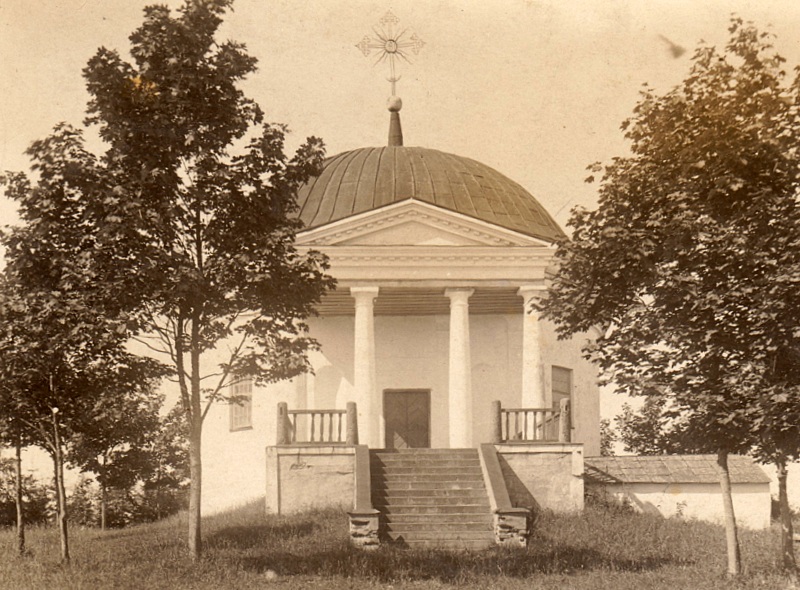
The palace chapel is built according to Macotti's design, adding to the architectural splendor of the estate.

1980s

Conservation Begins

Major conservation works begin, revealing stunning original murals and painted ceilings hidden for decades.

1997

Museum Opens

The Varakļāni Local History Museum opens in the palace on September 13th, welcoming visitors to explore its heritage.

What to Discover

Palace Interiors

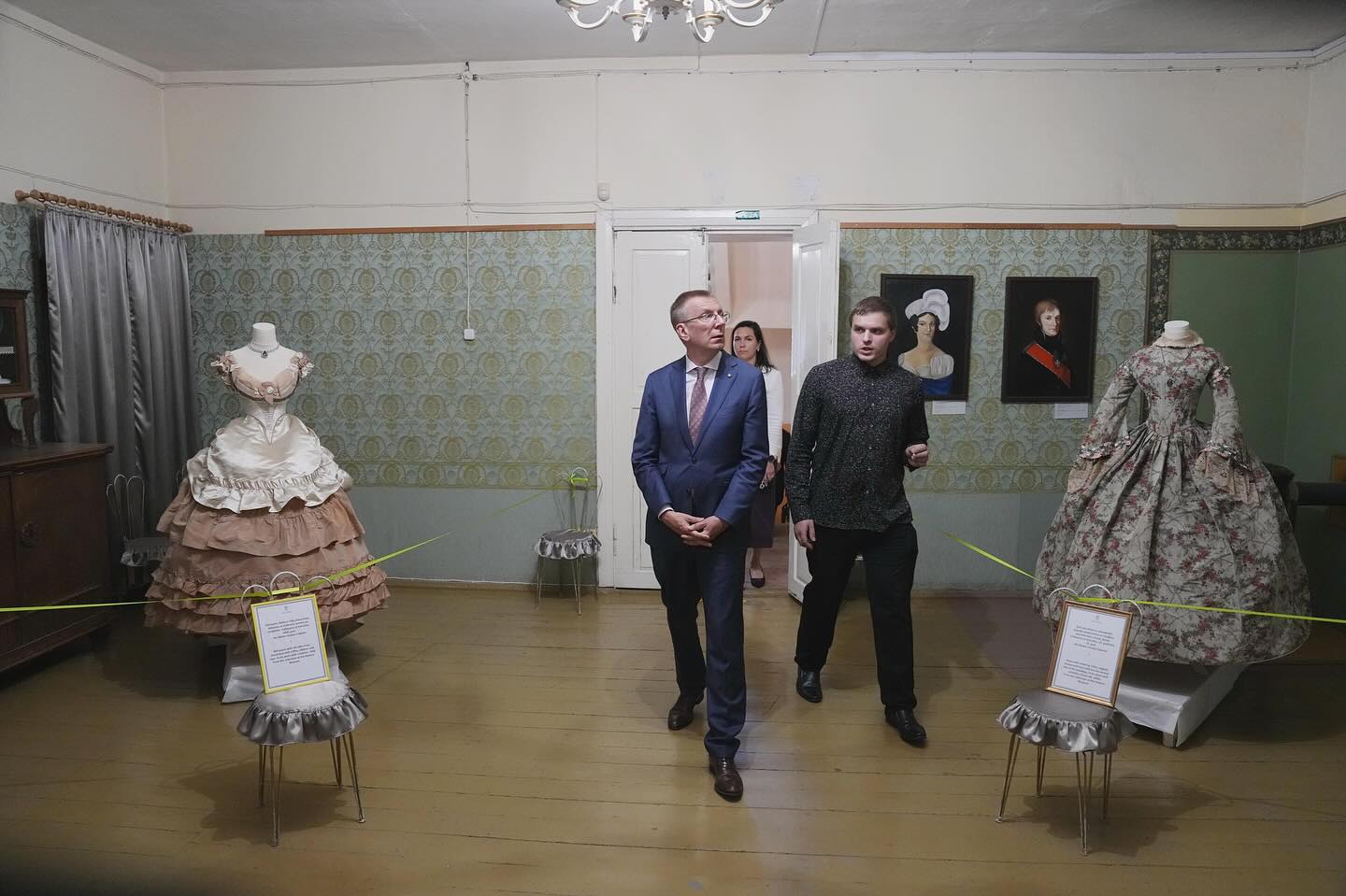
Experience the grandeur of 18th-century aristocratic life through beautifully preserved rooms, original murals, and painted ceilings.

Count Borch Exhibition

Learn about the remarkable life and scientific achievements of Michał Jan Borch—naturalist, diplomat, and visionary builder.

Historic Chapel

Visit the 1814 chapel designed by Vincenzo Macotti, a serene space reflecting the spiritual life of the estate.

Local History

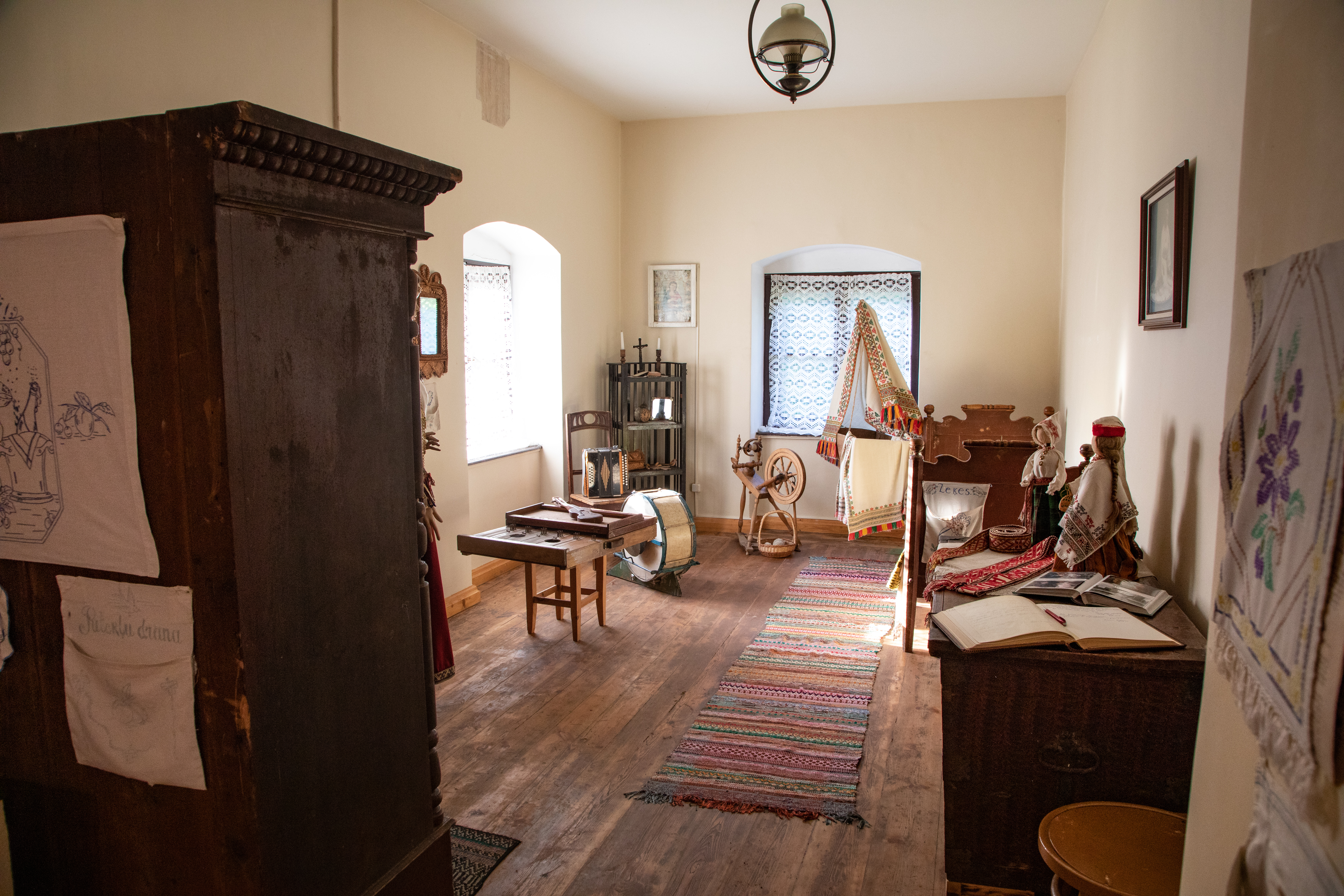
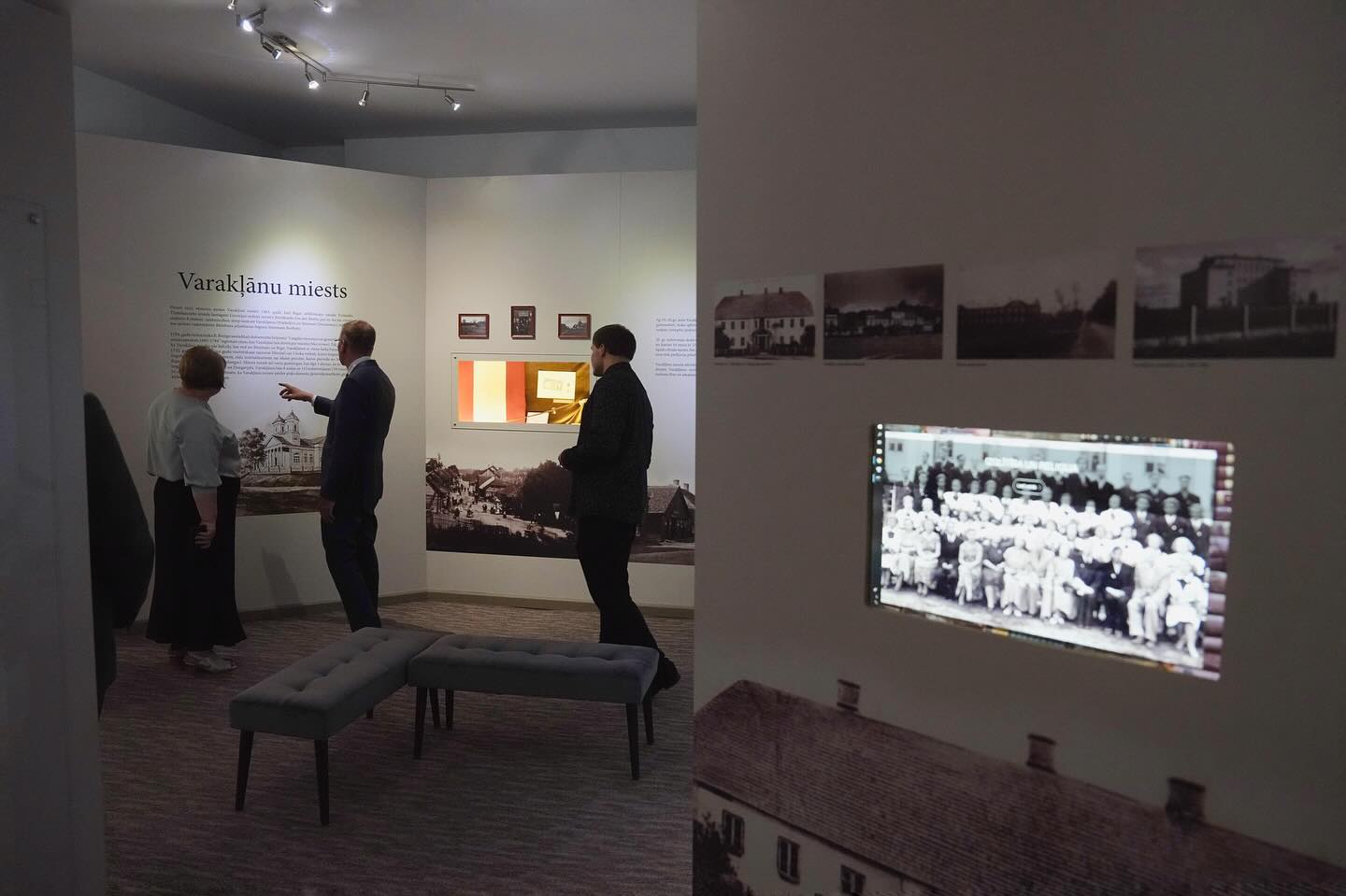
Explore the rich history of Varakļāni town and its surroundings through documents, photographs, and artifacts.

Art Collection

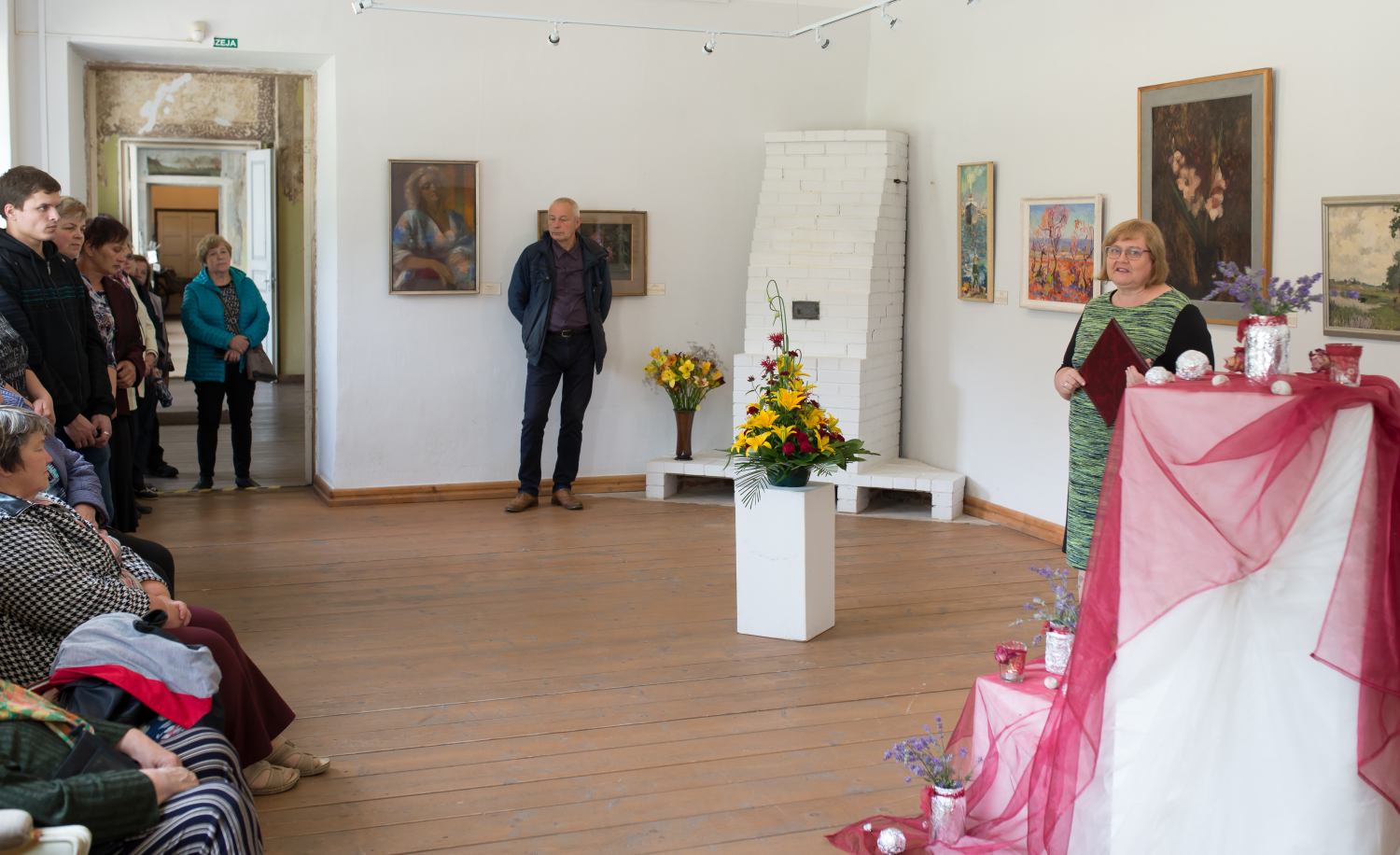
View a curated collection of paintings and decorative arts from the Borch family collection and regional artists.

Manor Park

Stroll through the romantic landscape garden, one of the first of its kind in Latvia, designed by Count Borch himself.

Varakļāni Through the Ages

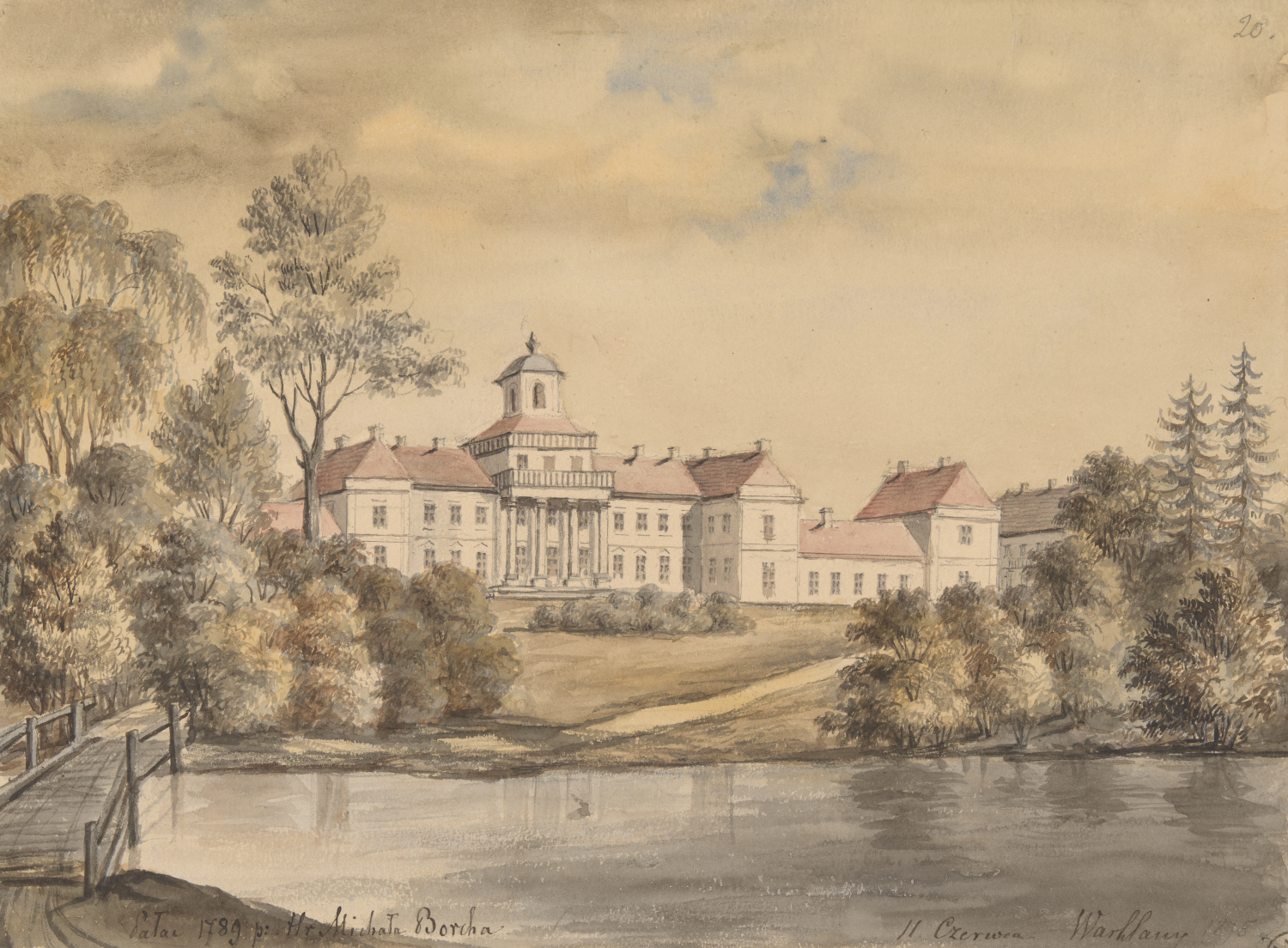
Varakļāni Castle as depicted by Napoleon Orda, c.1875

Varakļāni Palace — engraving by Napoleon Orda, c.1875

Varakļāni Castle in the Paintings of Napoleon Orda

The Varakļāni estate was immortalised in the 19th century by Napoleon Orda (1807–1883), the renowned Polish-Lithuanian artist, musician, and patriot. Orda undertook an extraordinary artistic journey through the lands of the former Polish–Lithuanian Commonwealth, producing hundreds of drawings and lithographs of historic estates, castles, and churches.

His depiction of Varakļāni Palace, created around 1875, offers an invaluable visual record of the estate at the height of its elegance—preserving for posterity the appearance of the palace and its grounds as they looked in the 19th century.

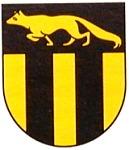
Coat of Arms of Varakļāni

The Coat of Arms of Varakļāni

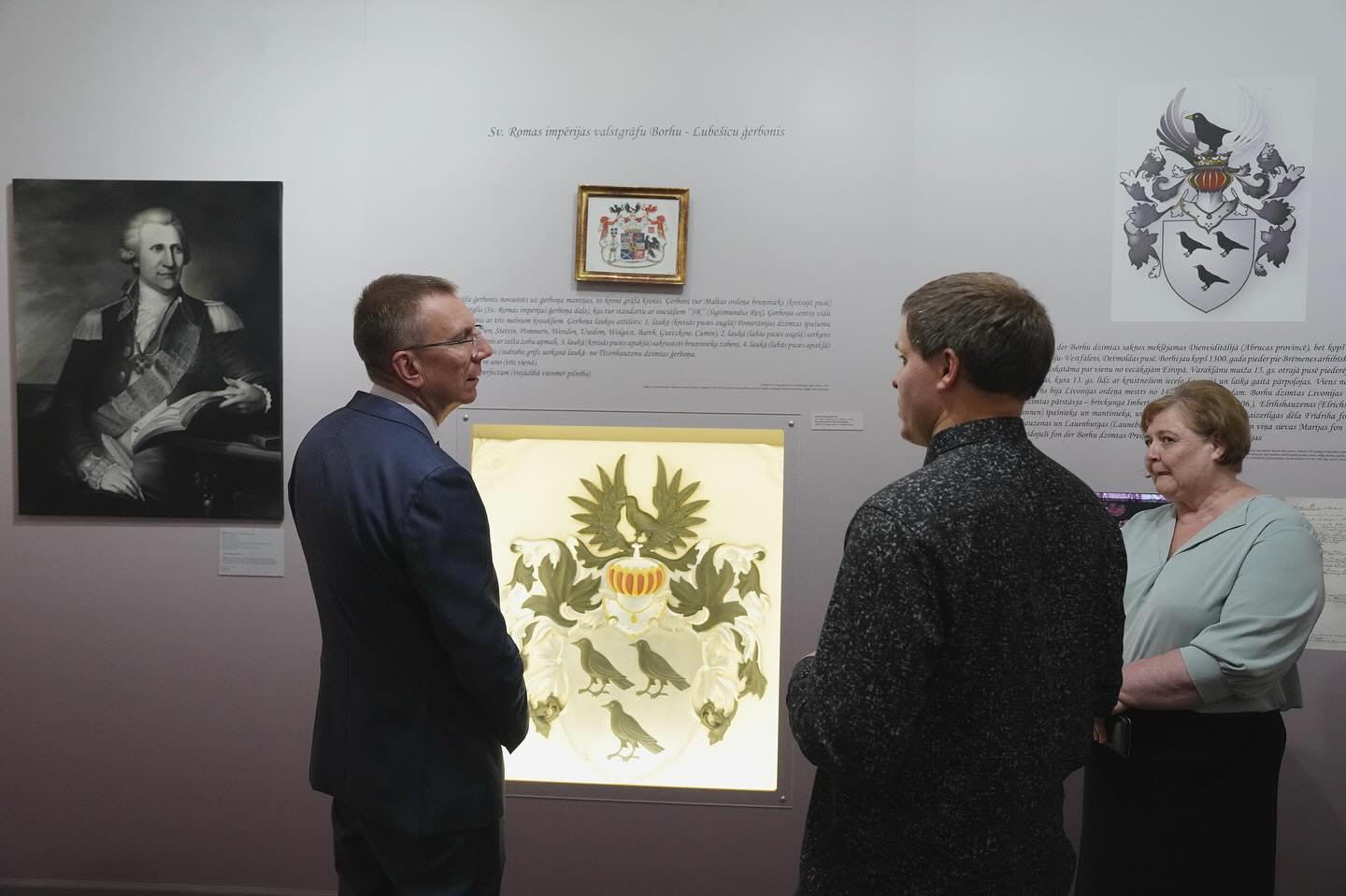
The coat of arms of Varakļāni reflects the town's noble heritage and its distinctive identity within the Latgale region of Latvia. Rooted in the history of the Borch family estate, the heraldic symbol connects Varakļāni's present to its aristocratic past.

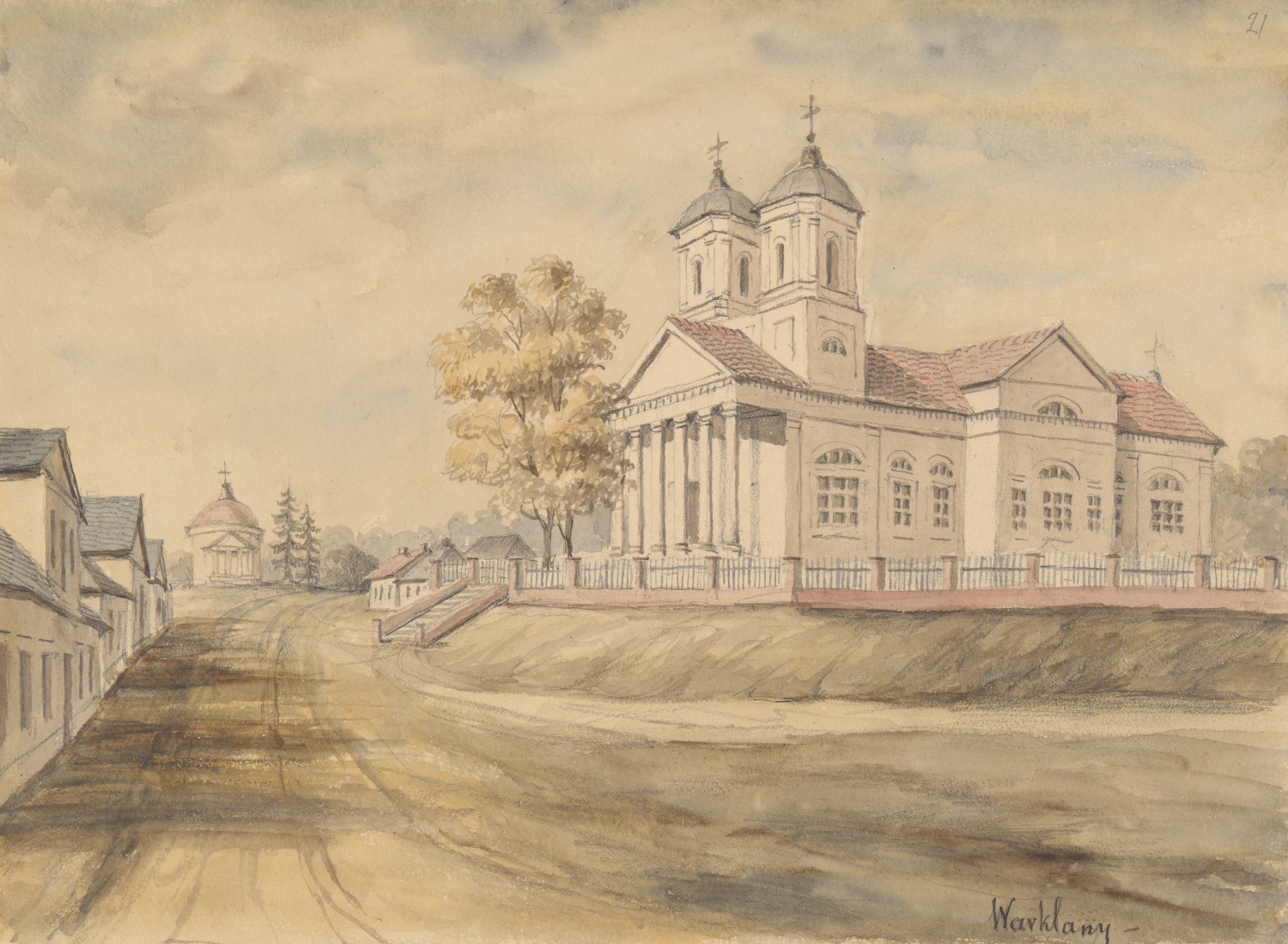
Roman Catholic Church

Built 1854 · Designed by Vincenzo Mazot

The Roman Catholic Church of Varakļāni was built in 1854, designed by the Italian architect Vincenzo Mazot. Its Classicist design reflects the same architectural vision that shaped the Varakļāni estate, creating a harmonious ensemble of buildings that defined the town's character throughout the 19th century.

The church remains an important landmark of Varakļāni and continues to serve the local community, standing as a testament to the enduring faith and architectural legacy of the region.

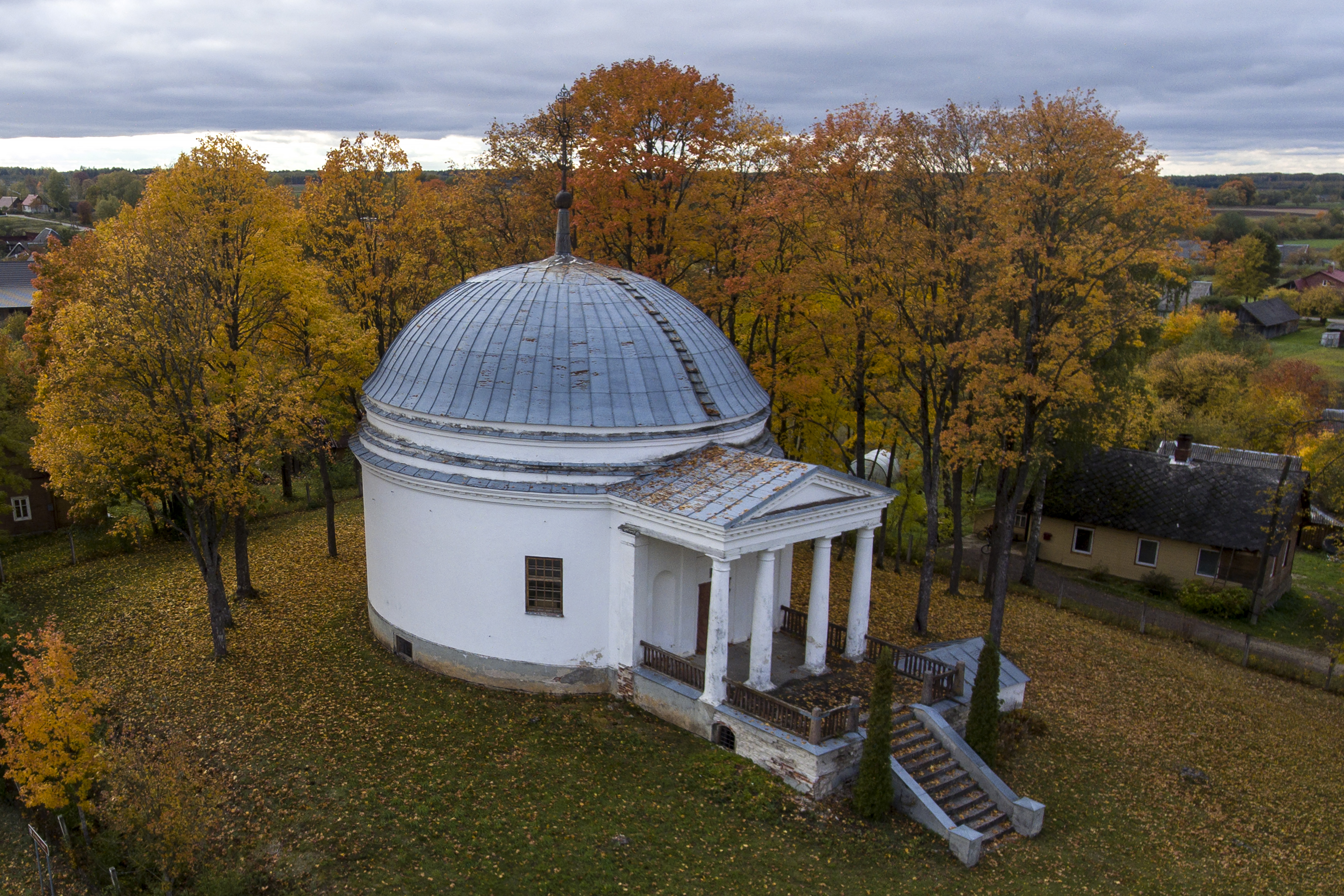
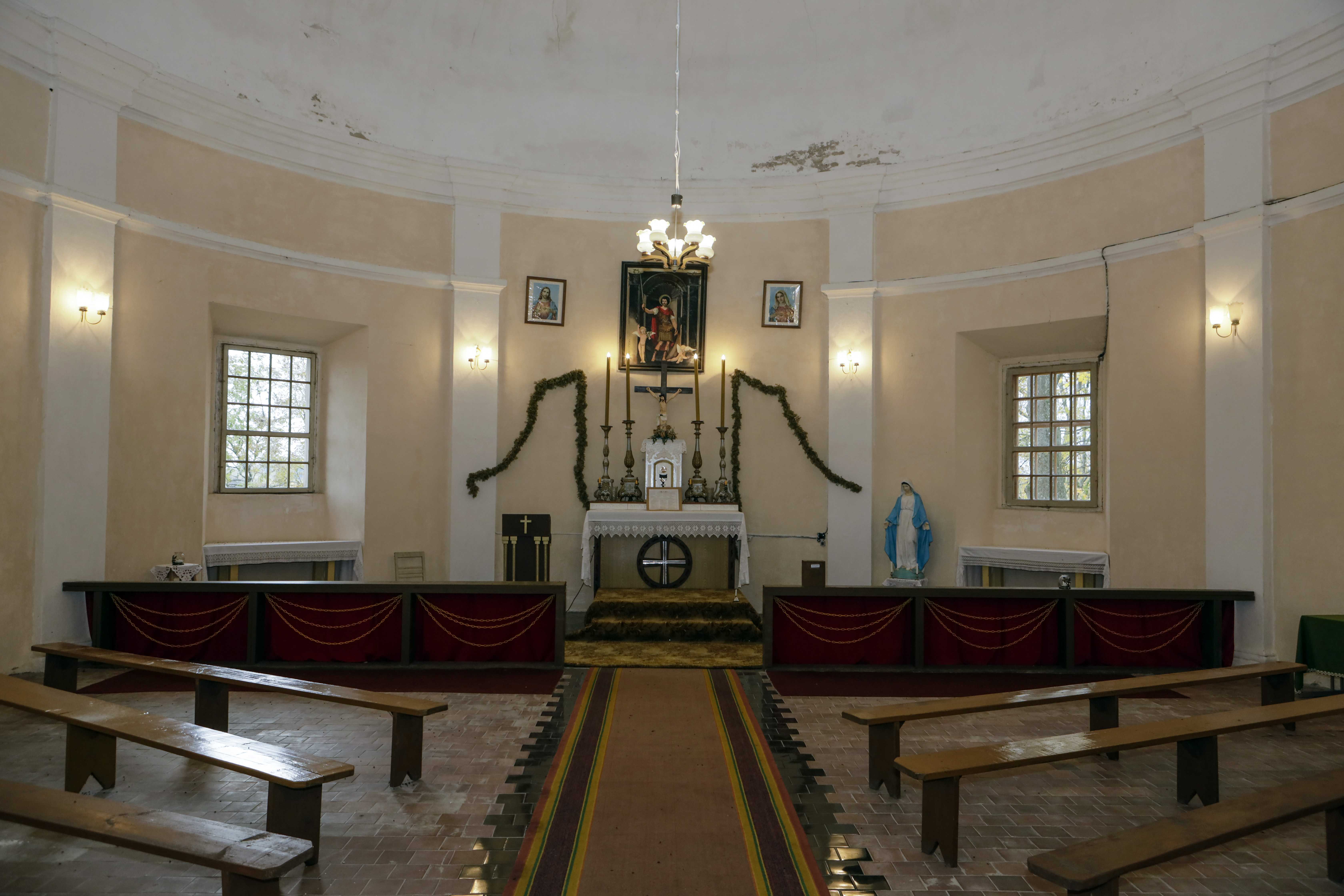
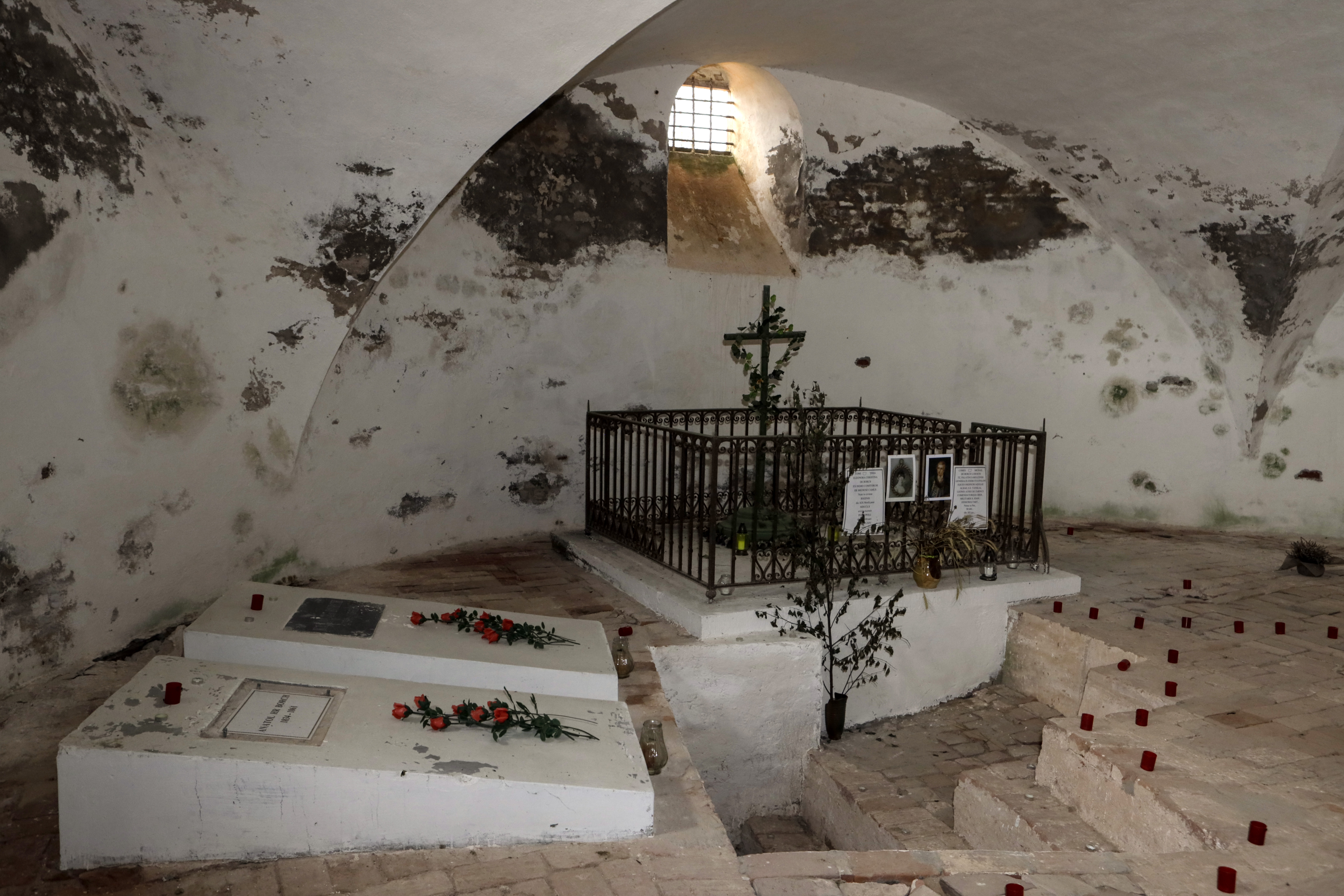
St. Victor's Chapel

Built 1814 · Borhu Family Crypt · Designed by Vincenzo Mazot

St. Victor's Chapel, which also serves as the family crypt of the Borhu family, was built in 1814 to designs by Italian architect Vincenzo Mazot. A serene and beautifully composed Classicist structure, the chapel stands as a monument to the family whose legacy shaped Varakļāni for centuries.

Visitors to the Varakļāni estate can view this historic chapel as part of the museum experience.

Presidential Visit

3. jūlijs, 2025

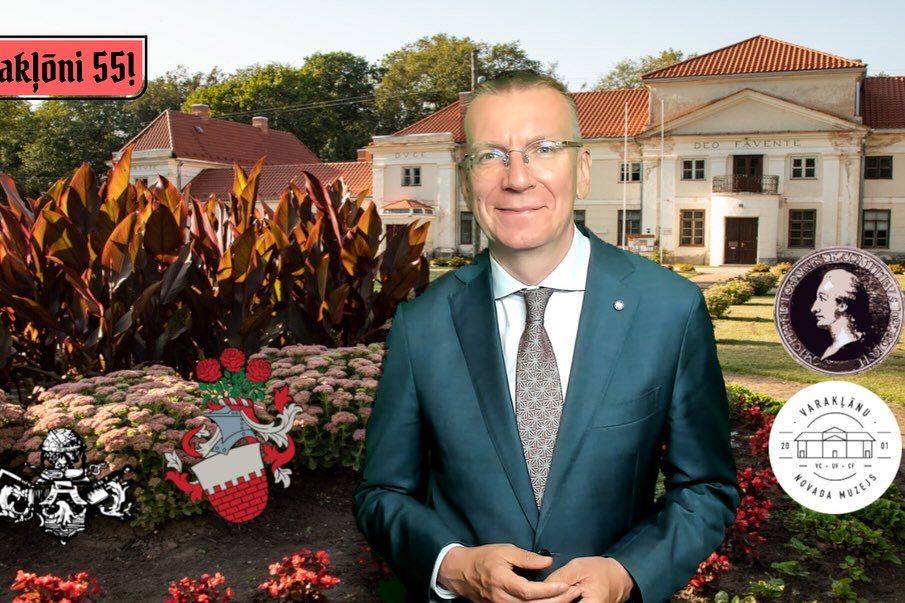
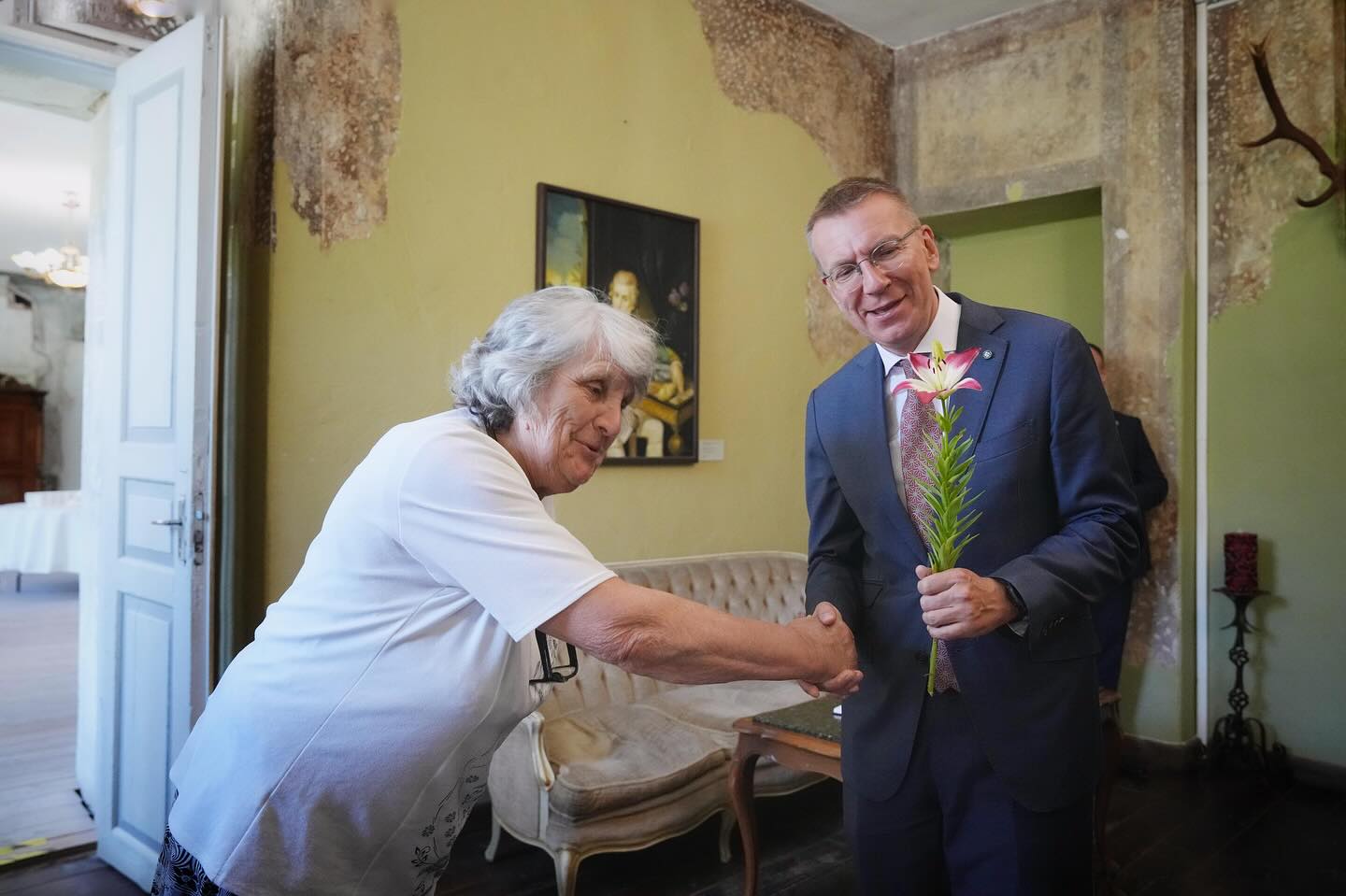
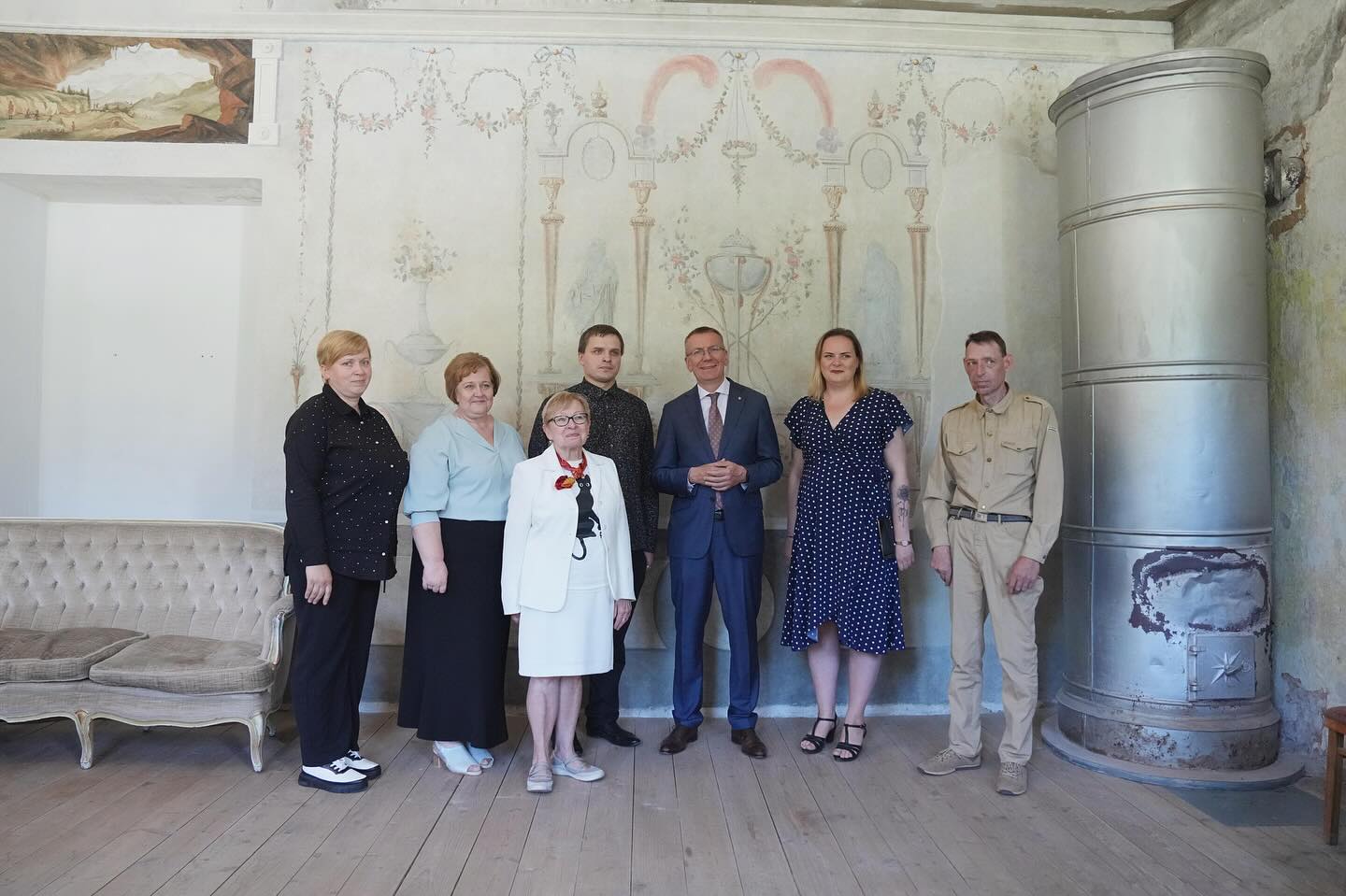
On July 3, 2025, Varakļāni Local History Museum was honoured to welcome President of Latvia Edgars Rinkēvičs, who visited the museum on his return journey from the State Border Guard College graduation ceremony.

"Latvija ir skaista, tajā ir daudz apslēptu dārgumu. Šodien atklāju vēl vienu pērli. Atceļā no Valsts robežsardzes koledžas izlaiduma viesojos Varakļānu Novada muzejā. Paldies muzeja darbiniekiem un Varakļānu iedzīvotājiem par laipno sagaidīšanu un interesanto stāstījumu, un darbu pils atjaunošanā un restaurācijā! Neiztika arī bez leģendārā 'Varakļouni pīci, pīci'."
— Edgars Rinkēvičs, Latvijas Valsts prezidents

Visit the Museum

Opening Hours

Monday By appointment only
Tuesday – Friday 10:00 – 17:00
Saturday 11:00 – 17:00
Sunday (Summer only) June 1 – October 15
11:00 – 17:00
Group Tours Guided tours available
For schools & groups by arrangement

Getting Here

Address 29 Pils Street
Varakļāni, LV-4838
Madona Municipality, Latvia
By Car Located near the old Riga–Rēzekne road
Free parking available
Tourist Information The museum also serves as the
Varakļāni Tourist Information Centre

Find Us

Varakļāni is located in the Latgale region of eastern Latvia, approximately 180 km from Riga.

Contact Us

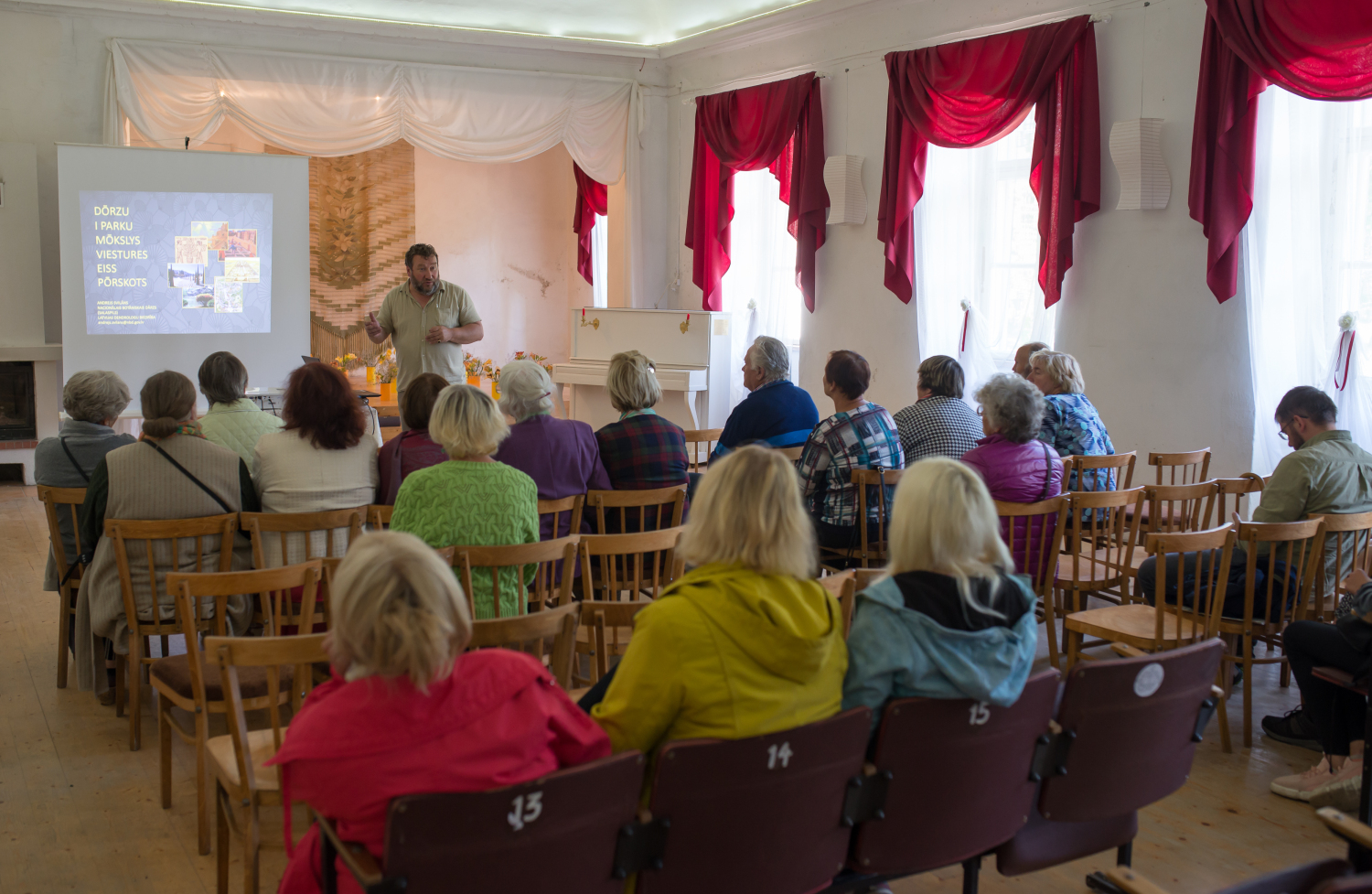
For inquiries about visits, educational programmes, venue rental, or any other questions, please don't hesitate to reach out.

Director Terese Korsaka