Honoured Citizen of Varakļāni

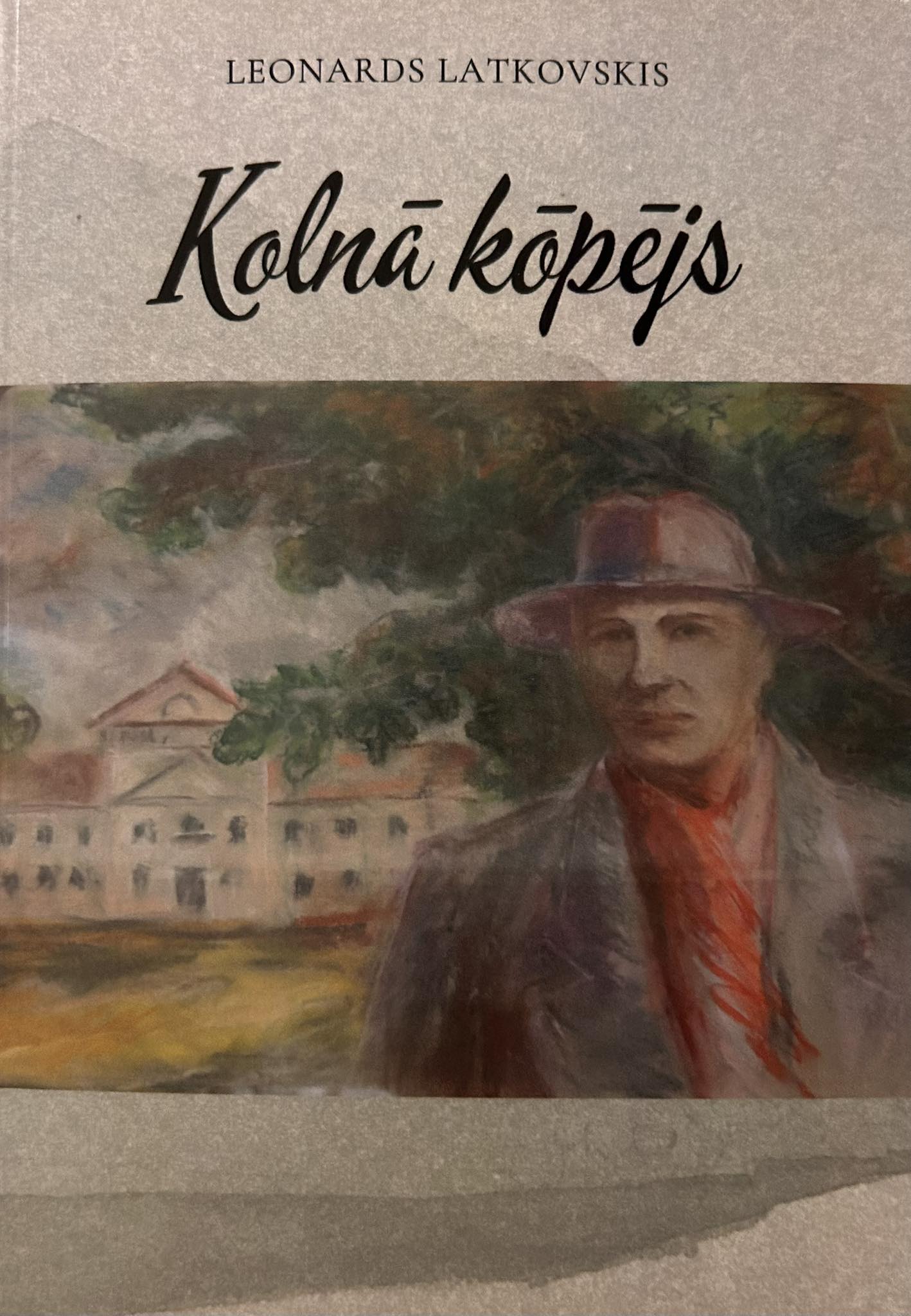
Dr. Leonards Latkovskis

Linguist · Ethnographer · Scholar of Latgale

1905 – 1991

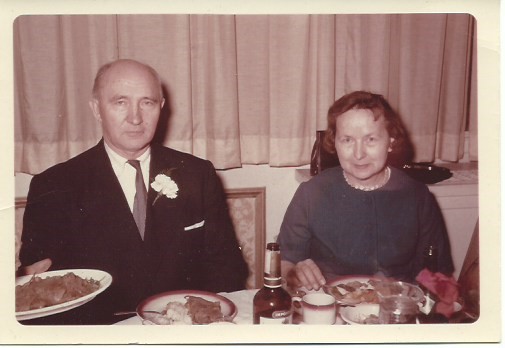
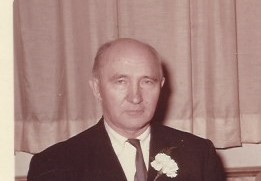
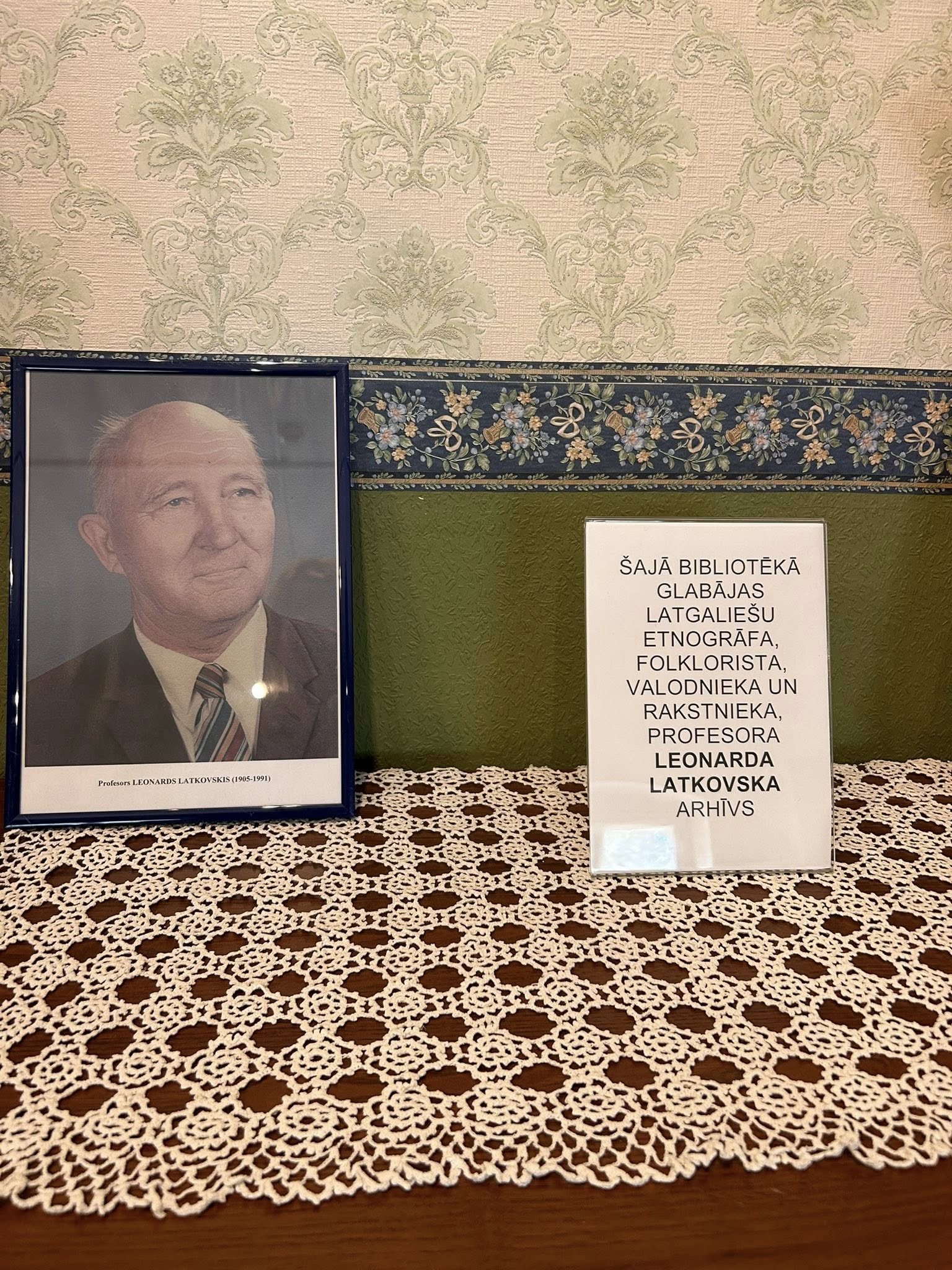
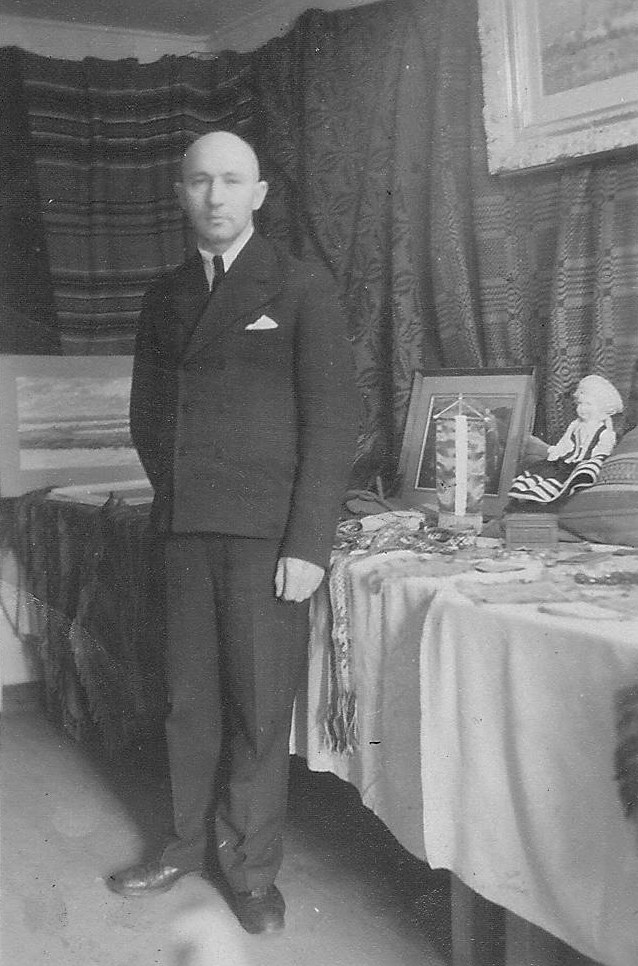
Portrait of
Dr. Leonards Latkovskis
— Your image here —

A Lifelong Champion of Latgalian Heritage

Born in the village of Lesņīki in Varakļāni Parish, Dr. Leonards Latkovskis became one of the most distinguished scholars of the Latgalian language and culture. A remarkable polyglot who mastered 18 languages during his lifetime, he dedicated himself to preserving and documenting the unique heritage of Latgale.

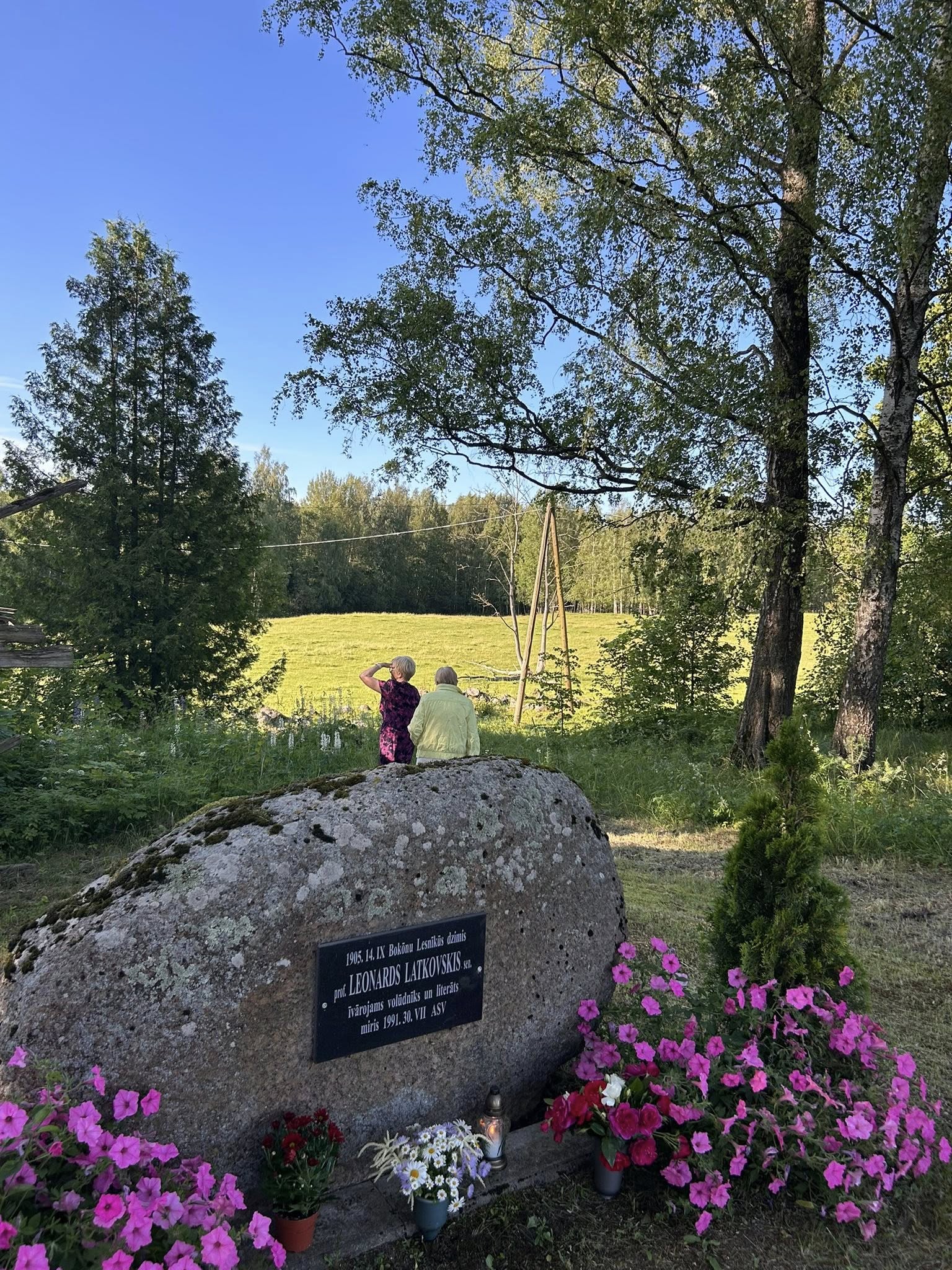
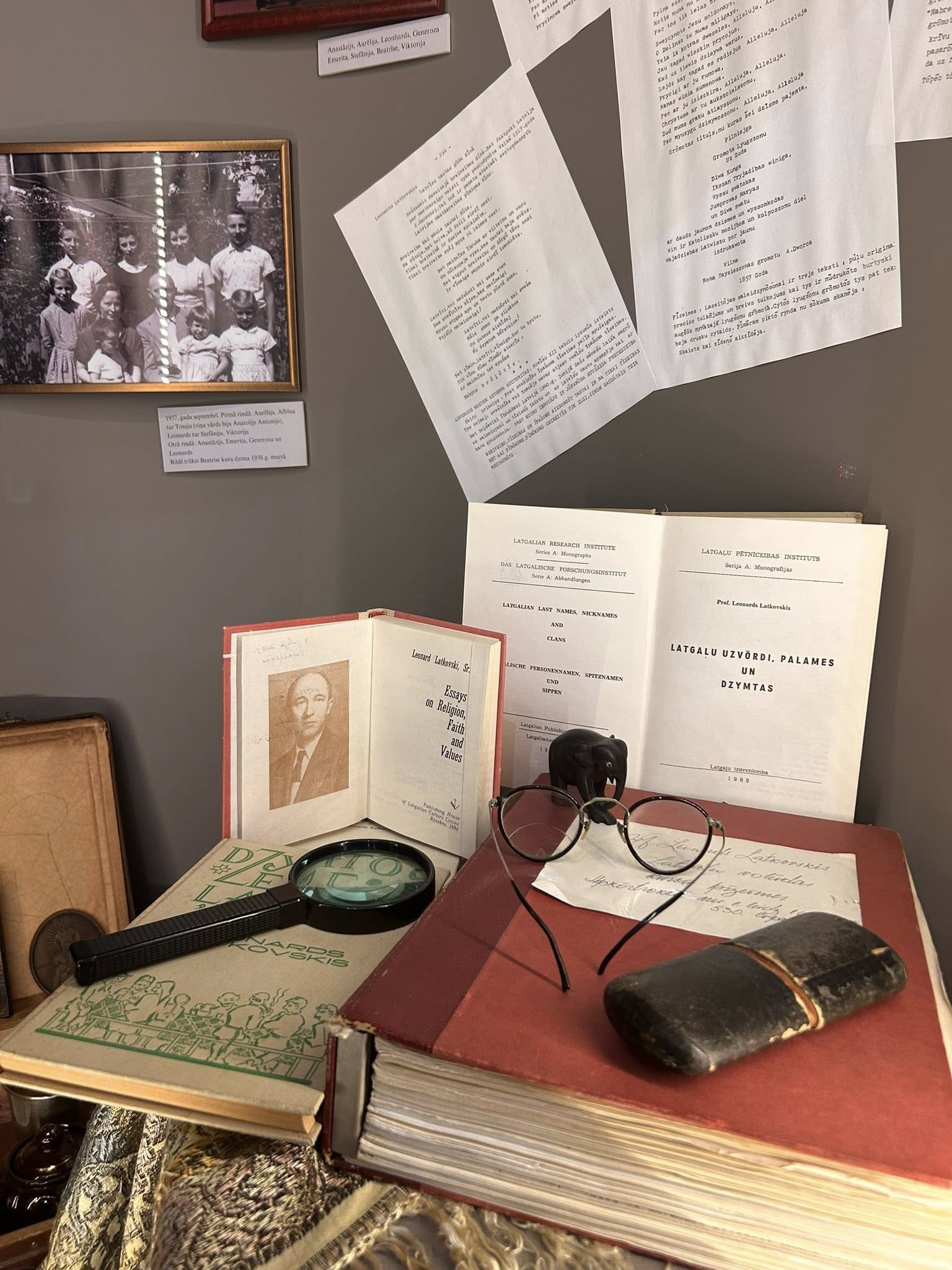
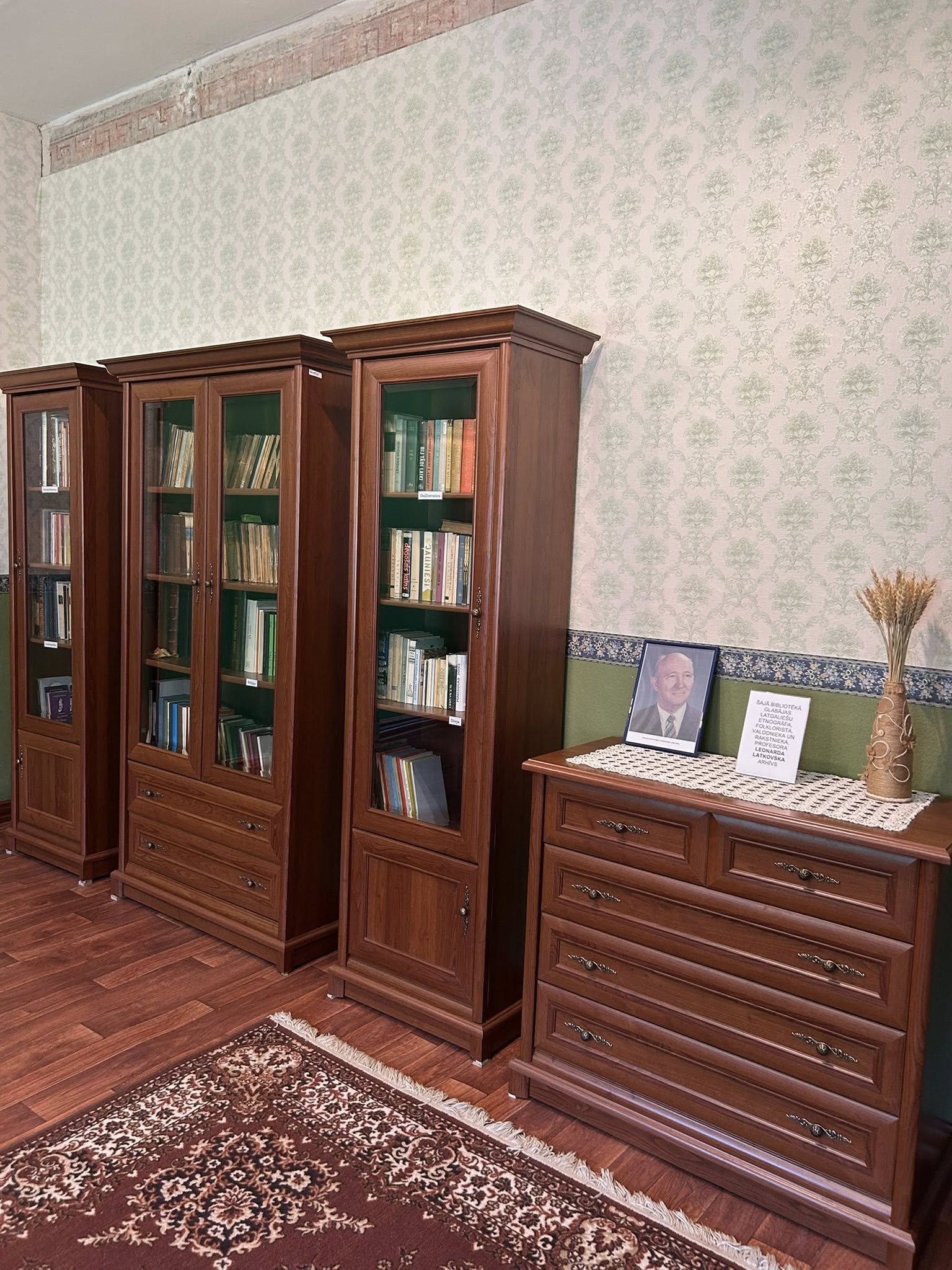
His scholarly work bridged continents and generations, ensuring that the language, folklore, and traditions of his homeland would never be forgotten. Today, a memorial plaque at the entrance of Varakļāni Palace honours his extraordinary legacy, and the museum maintains a permanent exhibition celebrating his life and achievements.

"A tireless champion of Latgalian heritage whose scholarship bridged continents and generations."

18 Languages Mastered
1931 Varakļāni Dialect Studies
1960 Founded Latgale Research Institute
1976 Honorary Doctorate

Early Life & Education

Leonards Latkovskis was born on September 14, 1905, in the village of Lesņīki, Varakļāni Parish, to a humble farming family. From an early age, he demonstrated an extraordinary gift for languages—by the age of five, he was already fluent in Latvian, Polish, and Russian.

This remarkable aptitude for languages would define his life's work. He pursued higher education at the University of Latvia (1926–1935), where he studied simultaneously in the Classical Philology, Baltic Philology, and History departments, ultimately earning a degree in philology. During his university years, he became a member of "Dzimtene" (also "Dzimtine"), an academic organisation for Latgalian students.

Academic Career in Latvia

Latkovskis began his scholarly career while still a student. In 1927, he published his first article, "Latgaliešu literatūra un jos nākotne" (Latgalian Literature and Its Future), in the journal "Zīdūns." This marked the beginning of decades of research into Latgalian ethnography, linguistics, and culture.

His groundbreaking 1931 publication on the dialect peculiarities of the Varakļāni district, featured in the 11th volume of the Philological Society's Proceedings, remains an invaluable resource for linguists studying Latgalian dialects to this day.

Between 1938 and 1940, he worked for the Archives of Latvian Folklore, collecting place names throughout Latgale. He also served as a lecturer in Russian at the University of Latvia (1940–1941) and later as director of Kārsava Town Gymnasium (1941–1944), where he taught Latvian and Latin.

Exile & Life in America

In the autumn of 1944, as Soviet forces advanced into Latvia, Latkovskis fled with his wife Albina (née Putāns) and their growing family to Germany. They lived in displaced persons camps until 1950, when they emigrated to the United States and settled in Louisville, Kentucky. The couple would eventually have nine children.

In America, Latkovskis continued his academic work, joining Bellarmine College in Louisville in 1951. For 25 years, he taught classics, history, comparative linguistics, and literature, inspiring generations of students while never abandoning his research into Latgalian heritage.

In recognition of his contributions to scholarship and education, Bellarmine College awarded him an honorary doctorate (Dr. h.c.) in 1976.

Preserving Latgalian Heritage

Even in exile, Latkovskis remained devoted to his homeland. In 1960, he was instrumental in founding the Latgale Research Institute (Latgaļu Pētnīceibas instituts) and served as its president. This organisation became a vital centre for the study and preservation of Latgalian language, history, and culture among the diaspora.

Throughout his life, he maintained international scientific contacts and was a member of several academic societies. His work ensured that Latgalian culture would continue to be studied and celebrated, even as Soviet occupation suppressed regional identities in Latvia itself.
Life & Career Timeline

1905
Born in Lesņīki, Varakļāni Parish
Born into a farming family in the Latgale region of Latvia.
1926–1935
Studies at University of Latvia
Studies Classical Philology, Baltic Philology, and History simultaneously.
1927
First Publication
Publishes first scholarly article on Latgalian literature.
1931
Varakļāni Dialect Studies
Publishes landmark research on the dialect peculiarities of Varakļāni district.
1935
Marriage
Marries Albina Putāns; they would have nine children together.
1938–1940
Folklore Collection
Collects Latgale place names for the Archives of Latvian Folklore.
1944
Flees Soviet Occupation
Family escapes to Germany ahead of the advancing Soviet army.
1950
Emigrates to United States
Family settles in Louisville, Kentucky.
1951–1976
Professor at Bellarmine College
Teaches classics, history, comparative linguistics, and literature.
1960
Founds Latgale Research Institute
Establishes and serves as president of this vital cultural organisation.
1976
Honorary Doctorate
Bellarmine College awards him an honorary doctorate for his contributions to scholarship.
1991
Passes Away in Louisville
Dies on July 30, 1991, leaving an extraordinary legacy of scholarship and cultural preservation.

Selected Works & Contributions

Varakļāni District Dialects

1931

Groundbreaking research on the linguistic peculiarities of the Varakļāni district, published in the Philological Society's Proceedings.

"Daži volūdas vaicōjumi"

1936

Important article series addressing and clarifying problems in the Latgalian written language.

Latgale Place Names Collection

1938–1940

Comprehensive collection of place names across Latgale for the Archives of Latvian Folklore.

Latgale Research Institute

1960

Co-founded and led this organisation dedicated to the study and preservation of Latgalian heritage in exile.

His Legacy

Dr. Leonards Latkovskis's contributions to Latgalian scholarship cannot be overstated. At a time when Soviet occupation threatened to erase regional identities within Latvia, his work in exile ensured that the Latgalian language, folklore, and traditions would be documented, studied, and preserved.

"His scholarship bridged the old world and the new, ensuring that future generations would know and cherish the heritage of Latgale."

His son, Dr. Leonards Latkovskis Jr. (1943–2015), followed in his footsteps as a professor of history and continued to support Latgale through the Latgale Renaissance Fund, providing aid to families in need—including those in Varakļāni.

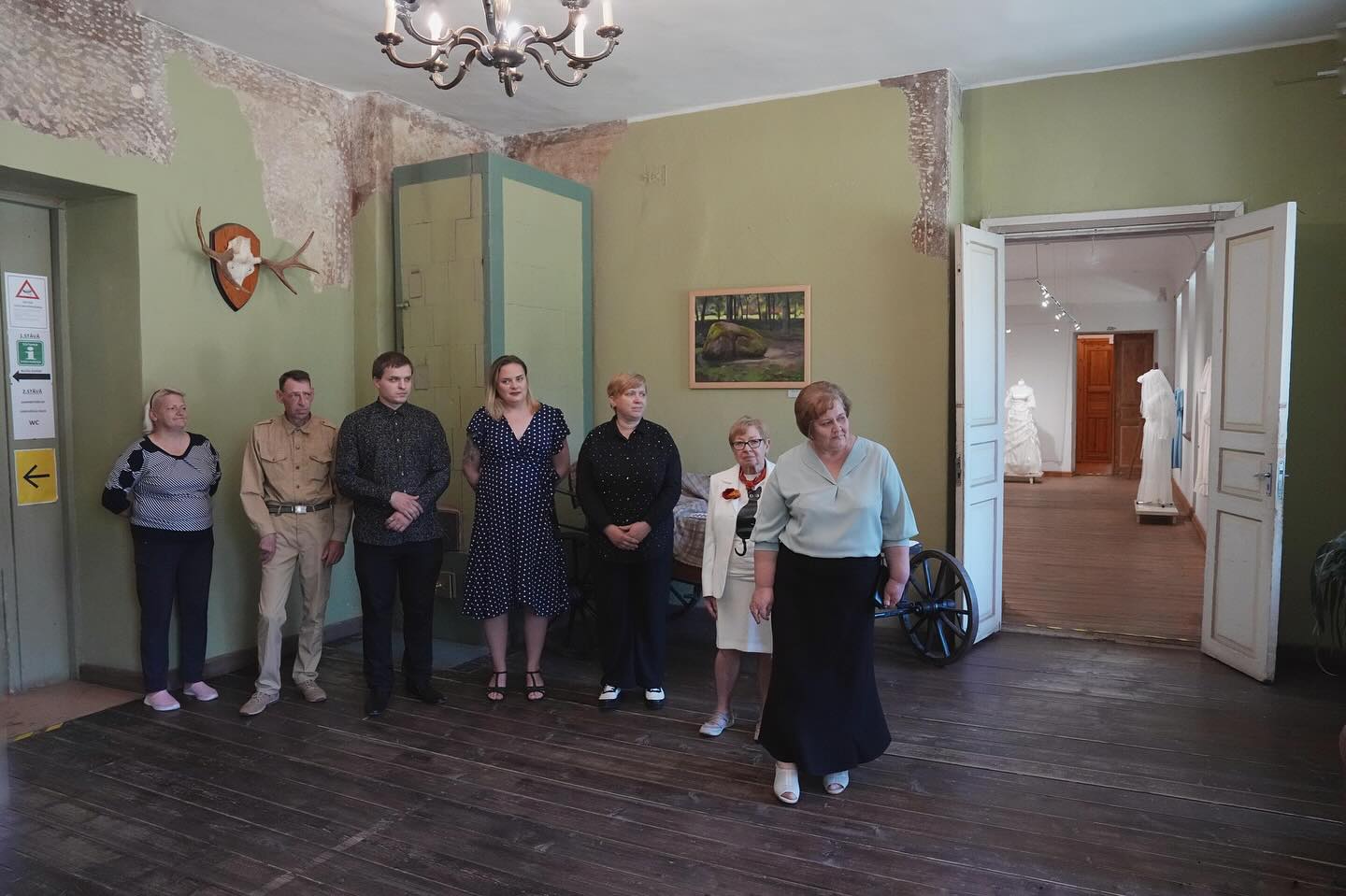
Today, visitors to the Varakļāni District Museum can see a memorial plaque honouring Dr. Latkovskis at the palace entrance and explore an exhibition dedicated to his remarkable life and work.

Commemorating a Legacy

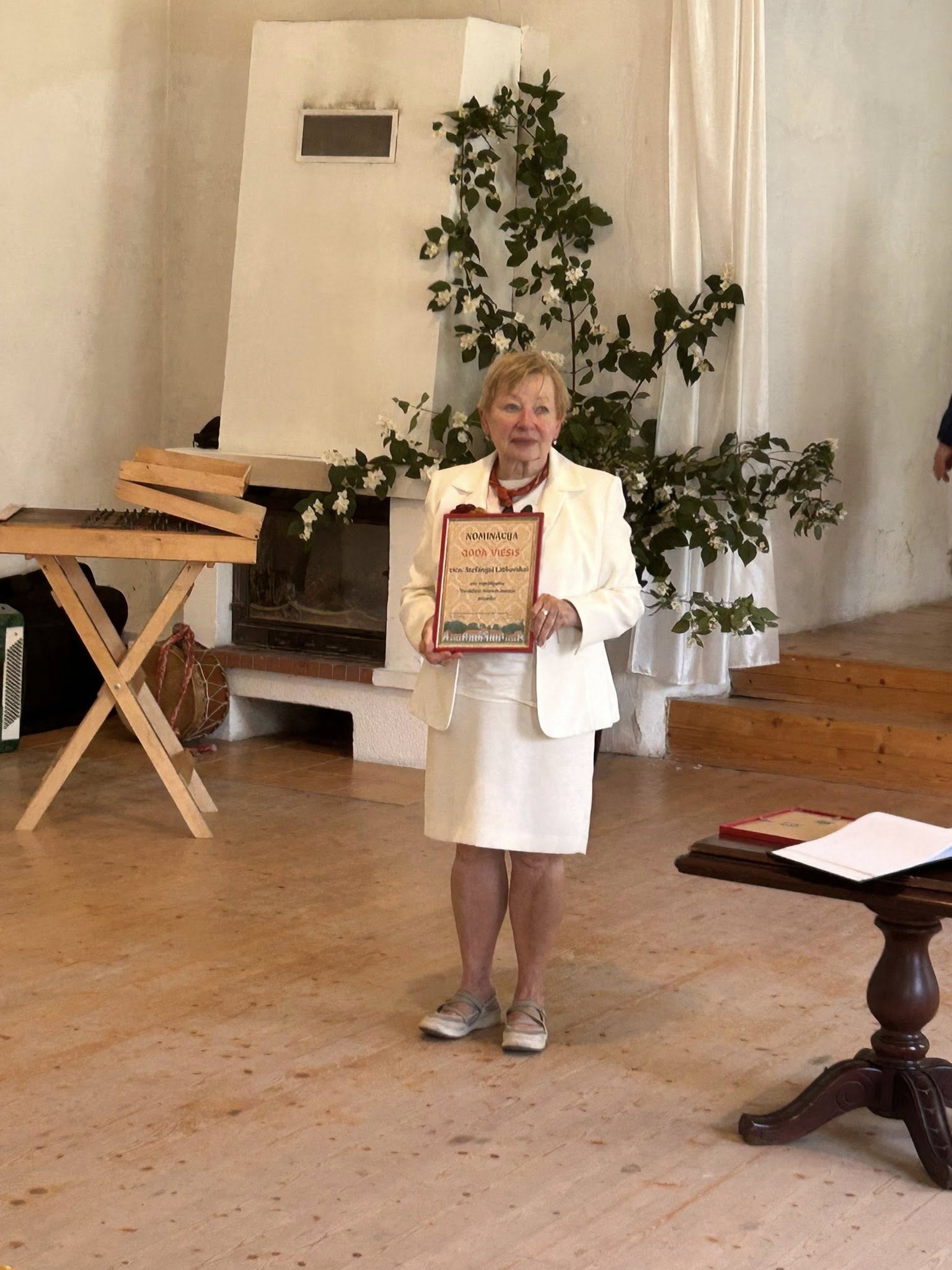
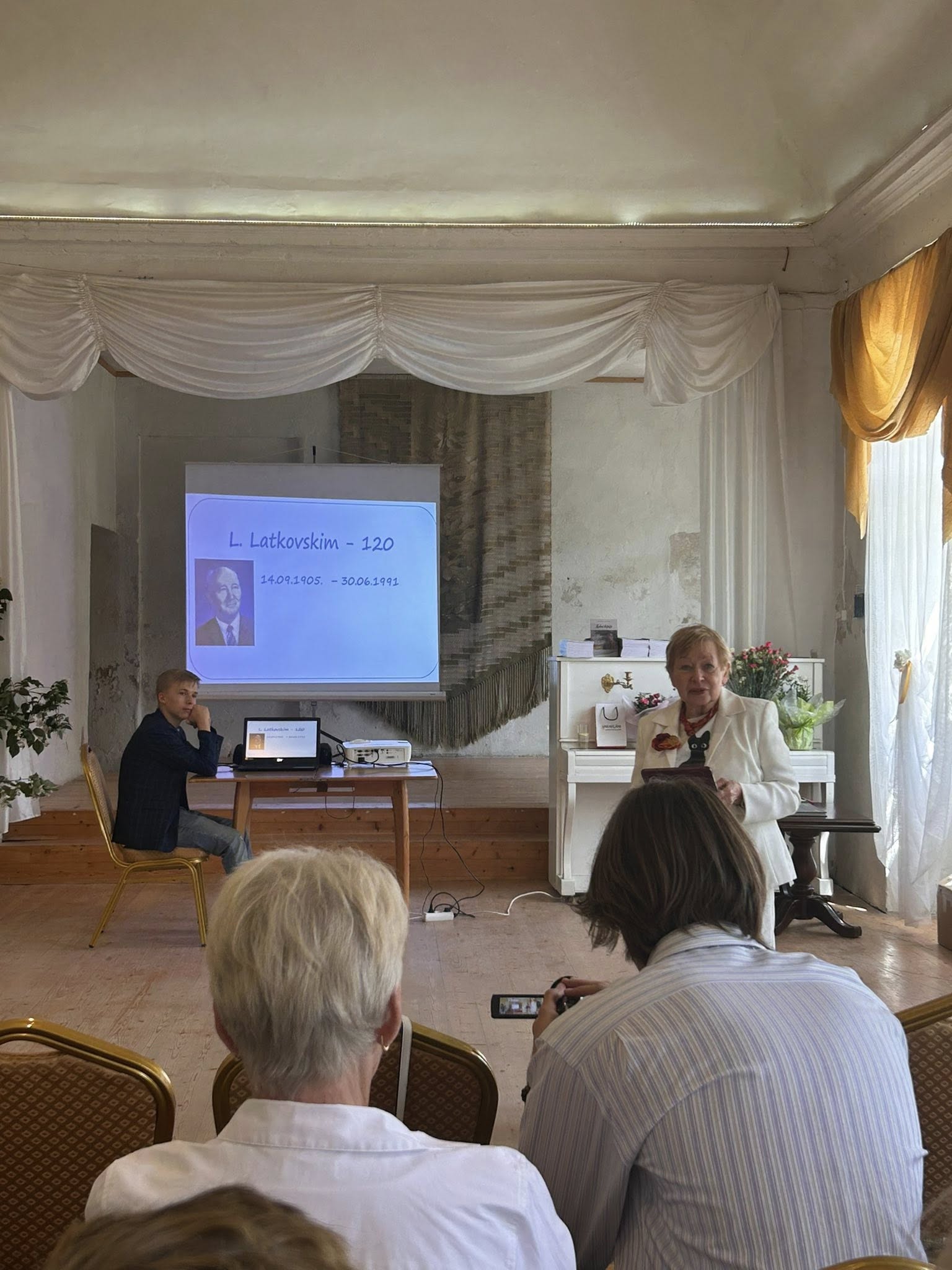
120th Birthday Memorial

September 14, 2025

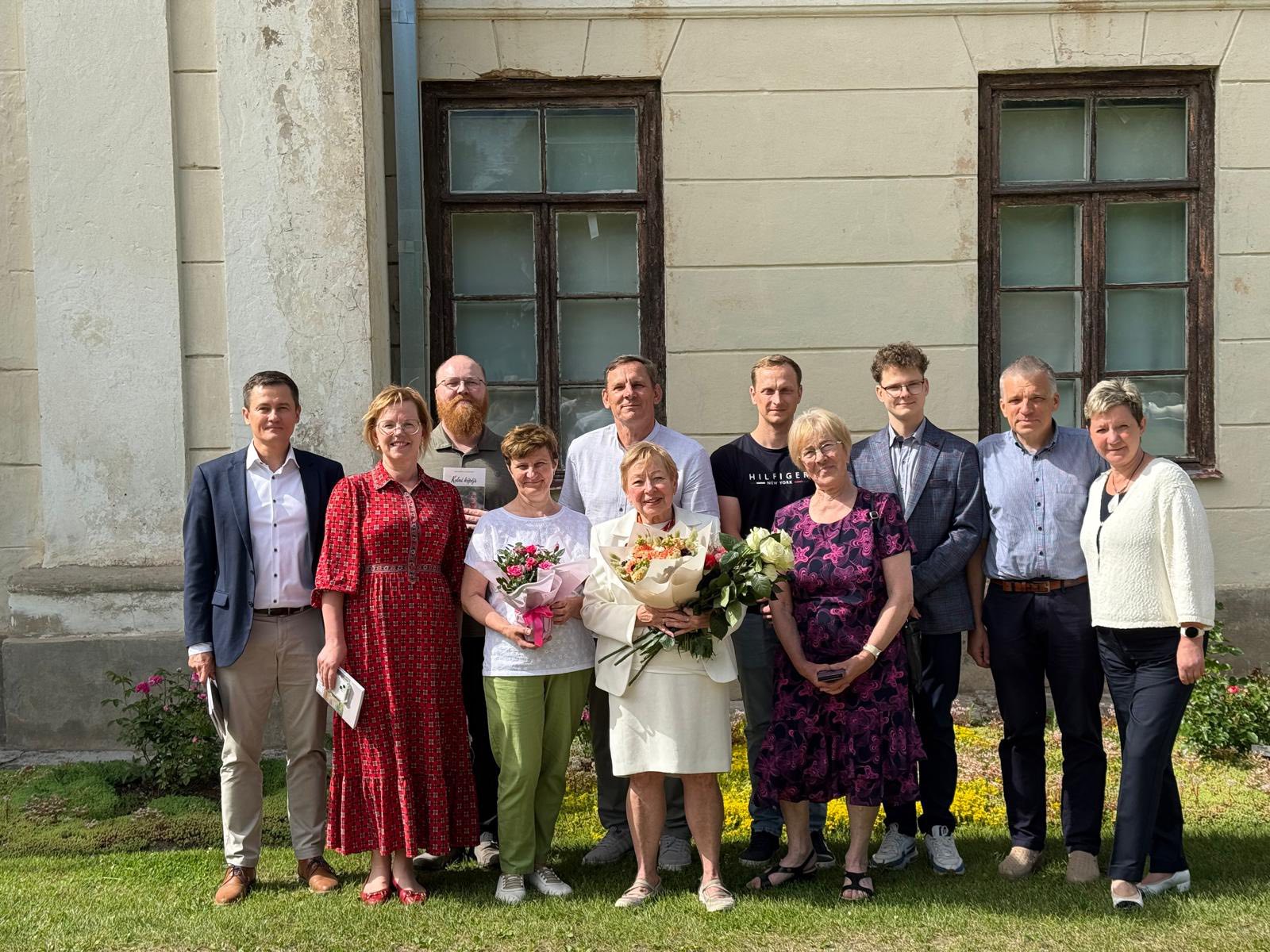
In honour of the 120th anniversary of Dr. Leonards Latkovskis's birth, the Varakļāni District Museum commemorates the life and enduring legacy of one of Latgale's most distinguished scholars.

Museum staff and visitors gathered to honour the memory of Professor Leonards Latkovskis on what would have been his 120th birthday.

Visit the Exhibition

Explore the permanent exhibition dedicated to Dr. Leonards Latkovskis at the Varakļāni District Museum.

Plan Your Visit